Archive | December 2025

How Artists in Recovery Use Routine to Fuel Inspiration and Well-being

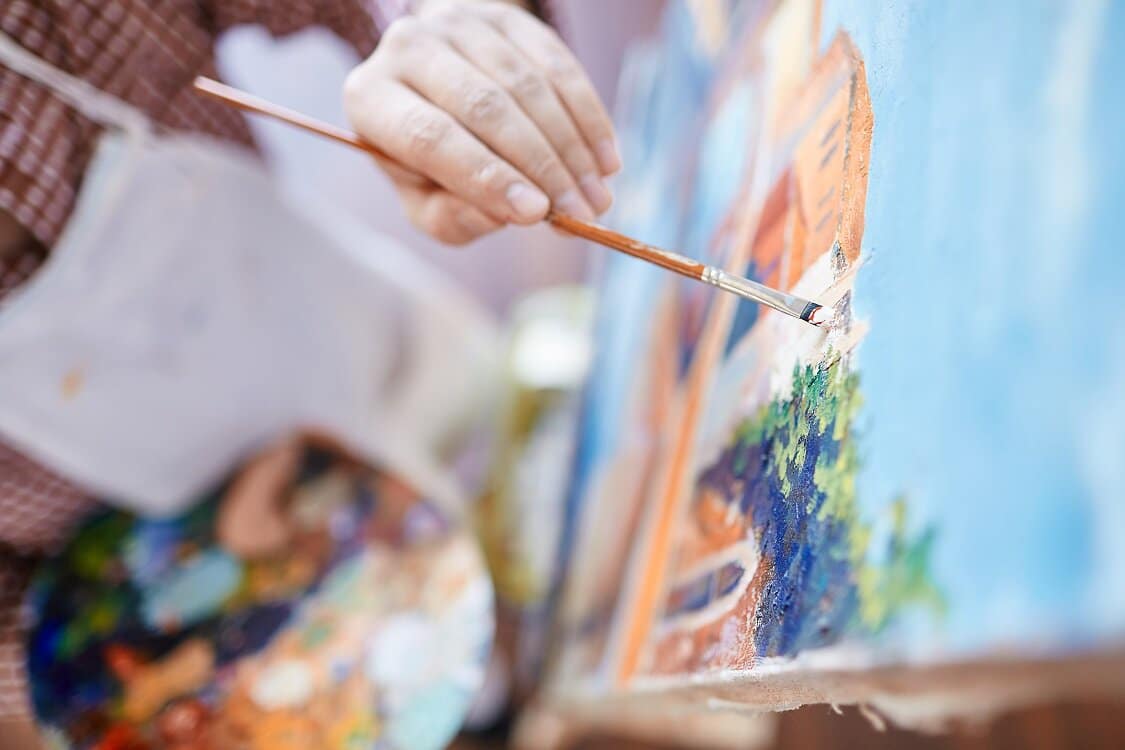
For artists in recovery, the creative process and the healing journey are deeply intertwined. Creativity often thrives on inspiration, yet recovery demands consistency, stability, and intentional habits. Finding a balance between spontaneous expression and structured routine can be transformative. At Roshambo, we recognize that daily routines are not limitations—they are tools that help artists in recovery nurture creativity, maintain emotional wellness, and rebuild a life of purpose.

The Role of Routine in Recovery and Creativity

Creating Stability for Emotional Health

Recovery from addiction or managing mental health challenges requires a foundation of stability. Daily routines provide predictability, reduce stress, and create a safe environment for growth. For artists, this stability allows inspiration to flourish without feeling chaotic or overwhelming. By establishing consistent practices, both recovery and creativity can support each other, fostering long-term well-being.

Routine as a Catalyst for Inspiration

While spontaneity sparks creativity, routine sustains it. Artists who schedule dedicated time for their craft often experience greater focus, enhanced productivity, and more meaningful output. Similarly, structured habits in recovery—such as attending therapy, engaging in mindfulness, or participating in group sessions—help individuals harness emotional energy and channel it toward constructive and creative endeavors.

Designing a Routine that Supports Creativity and Wellness

Morning Practices for a Mindful Start

The beginning of the day sets the tone for both recovery and creative expression. Simple morning rituals can have profound effects:

  • Journaling to explore thoughts and emotions
  • Meditation or prayer to cultivate awareness and calm
  • Light exercise or stretching to energize the body and mind

These practices foster clarity, reduce anxiety, and prepare artists to engage with their creativity intentionally and purposefully.

Dedicated Creative Blocks

Scheduling specific periods for creative work transforms sporadic inspiration into sustained productivity. Artists can allocate focused time for painting, writing, music, or other forms of expression. In recovery, these structured creative sessions act as healthy coping mechanisms, replacing past destructive behaviors with constructive, fulfilling practices.

Reflection and Emotional Check-ins

Regular reflection strengthens both artistic growth and recovery progress. Reviewing work at the end of the day, noting ideas for improvement, and reflecting on emotions helps artists gain insight into their creative process. In recovery, similar reflection builds emotional awareness, reinforces coping strategies, and promotes resilience.

Prioritizing Self-Care

Sustainable routines include self-care practices such as adequate sleep, nutritious meals, hydration, and relaxation. Mindful breaks during creative work prevent burnout and help maintain mental and emotional balance. Self-care ensures that both artistic endeavors and recovery efforts remain effective and nurturing.

Community and Support: Strengthening the Routine

The Power of Connection

No artist creates in isolation, and no one heals alone. Community and mentorship are vital in both recovery and creative growth. At Roshambo, individuals benefit from faith-based support, group therapy, and holistic programming. These environments encourage sharing, accountability, and inspiration, helping artists integrate structured routines into a balanced, fulfilling lifestyle.

Routine as a Foundation for Creativity and Healing

Daily routines are not restrictions—they are the framework that allows creativity and wellness to thrive. For artists in recovery, structure provides freedom, focus, and emotional resilience. By integrating mindfulness, creative practice, reflection, and self-care, artists can transform routine into a powerful tool for personal and artistic growth.

At Roshambo, we guide individuals in creating personalized workflows that nurture both recovery and creative expression. If you or a loved one are ready to build routines that enhance inspiration, emotional well-being, and long-term healing, reach out today. Together, we can help you create a life where creativity and wellness flourish hand in hand.
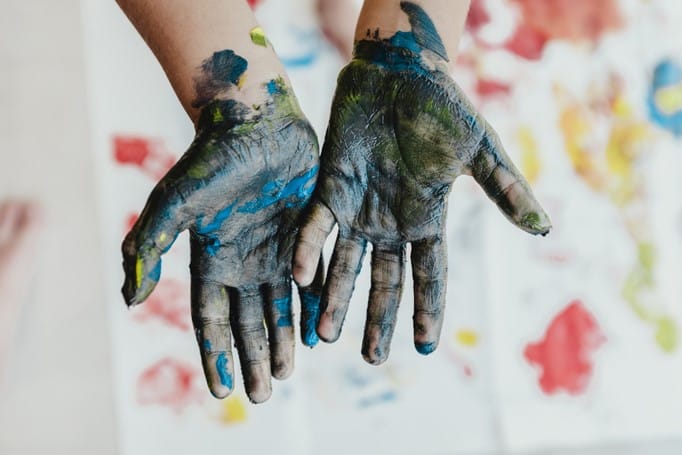
The Painted Veil: Balancing the Creative Soul with Mental Wellness and Long-Term Recovery

At roshambomt.com, we recognize that the life of an artist is often a beautiful, complex tapestry of high sensitivity and profound expression. However, we also understand that for many creators, the “invisible weight” of the artistic process—the pressure to produce, the isolation of the studio, and the emotional vulnerability of sharing one’s soul—can lead to unique challenges. Our mission is to provide a professional and compassionate sanctuary where artists can navigate the intersection of creativity, mental health treatment, and addiction recovery, ensuring that your “mustard seed” of talent is supported by a foundation of lasting health.

The “Tortured Artist” Myth vs. Clinical Reality

For decades, society has romanticized the “tortured artist,” suggesting that suffering is a prerequisite for great work. From a clinical perspective, we know this is a dangerous misconception. Chronic stress, depression, and substance use don’t fuel creativity; they eventually stifle it.

The brain’s “Default Mode Network” (DMN) is highly active in creative individuals, allowing for the wandering thoughts and connections that lead to art. However, an overactive DMN is also linked to rumination and anxiety. When an artist uses substances to quiet this noise, they often find themselves in a “cycle of dependency” that eventually erodes the very clarity they need to create. At Ro Sham Bo, we help artists “reclaim the brush” by providing evidence-based care that honors their unique neurological wiring.

1. Navigating the Creative Temperament

The life of an artist often involves irregular schedules, financial uncertainty, and intense emotional peaks and valleys. These factors can make maintaining stability feel like an impossible task.

  • Emotional Dysregulation: We provide tools to help you manage the intensity of your feelings without resorting to self-medication.
  • The Isolation Trap: Many artists work alone, which can lead to social withdrawal. Our outpatient support groups offer a community of peers who understand the specific pressures of a creative career.
  • Perfectionism and Shame: Through Cognitive Behavioral Therapy (CBT), we help dismantle the “all or nothing” thinking that often fuels both artistic blocks and addictive behaviors.

2. A Continuum of Care: Protecting the Creative Process

We believe that recovery should not feel like a sterile “end” to your artistic life, but a vibrant new beginning. Our individualized care plans are designed to integrate your passion into your restoration.

Inpatient Residential Sanctuary: The Creative Reset

For artists in crisis, our inpatient residential care offers a peaceful, professional environment away from the “noise” of the industry. This is a space to stabilize, detox safely, and rediscover your voice in a setting that prioritizes your dignity and emotional safety.

Outpatient Resilience: Creating in the Real World

True mastery of recovery happens when you return to your craft. Our outpatient programs provide the “living solution” needed to navigate gallery openings, deadlines, and social circles while maintaining your sobriety and mental balance.

3. Dual Diagnosis: Treating the Mind Behind the Art

It is rare for addiction to exist in a vacuum, especially within the artistic community. We specialize in Dual Diagnosis care, addressing co-occurring disorders like bipolar disorder, ADHD, or PTSD that often walk hand-in-hand with creative genius.

  • Individualized Therapy: Working one-on-one with clinicians who respect the artistic temperament.
  • Holistic Restoration: Incorporating art therapy, nutritional support, and spiritual anchors that provide a higher purpose beyond the finished product.

4. Reclaiming Your Future with Professional Integrity

At roshambomt.com, we see your art as a vital part of your health. A healthy artist is a productive artist. By choosing a path of professional recovery, you aren’t losing your “edge”—you are gaining the stamina, clarity, and longevity needed to build a legendary body of work.

Your Masterpiece of Recovery Starts Here

If the “invisible weight” of your creative life has become too heavy to bear, please know that you don’t have to carry it alone. You deserve a life that is as vibrant and healthy as the work you create.

At roshambomt.com, our compassionate and professional team is dedicated to your total restoration. From our tranquil inpatient sanctuary to our flexible outpatient services, we offer the clinical excellence you need to find your way back to your true self.

Reach out to us today. Let’s work together to paint a new future—one rooted in health, harmony, and creative freedom.

Turning Creative Impulse into Consistent Practice After Addiction

For many artists, creativity comes in sudden bursts—a spark of inspiration that can feel fleeting and unpredictable. After addiction, this same unpredictability can pose challenges. The journey to recovery requires discipline, structure, and consistency, yet creative expression remains a vital outlet for emotional healing. At Roshambo, we understand that creativity and recovery can complement each other. By turning creative impulses into consistent daily practice, artists in recovery can foster emotional resilience, strengthen mental health, and rebuild a sense of purpose.

Why Consistency Matters in Recovery and Art

Creativity as a Tool for Healing

Artistic expression allows individuals to process emotions that may be difficult to verbalize. Whether through painting, writing, music, or other forms, creativity serves as a bridge between experience and understanding. In recovery, this self-expression can reduce stress, manage triggers, and promote emotional clarity. When creative practice is consistent, it becomes more than a hobby—it becomes a structured tool for personal growth and healing.

The Role of Routine in Sustaining Progress

Impulse alone is insufficient for lasting recovery. Just as recovery programs emphasize consistent therapy sessions, group meetings, and self-care practices, creativity benefits from routine. Establishing regular time for creative work helps artists stay connected to their craft while providing stability and focus. Predictable routines also reduce the likelihood of reverting to old habits and foster accountability.

Strategies for Turning Impulse into Practice

Start Small and Build Momentum

For artists in recovery, the key is starting with manageable steps. Even short daily sessions—ten to twenty minutes of painting, journaling, or writing—can reinforce the habit of creative practice. Gradually, these small efforts accumulate, establishing a consistent workflow that supports both recovery and artistic growth.

Set Intentional Goals

Consistency grows stronger when guided by clear goals. Artists can outline simple, achievable objectives, such as completing a sketch each day or exploring a new medium weekly. For recovery, goal setting strengthens motivation, builds confidence, and reinforces the sense of accomplishment that comes from taking small, intentional steps toward personal and creative growth.

Use Mindfulness to Sustain Focus

Mindfulness integrates awareness and presence into creative practice. By focusing on the act of creation rather than the outcome, artists reduce stress and cultivate emotional clarity. Mindfulness also helps individuals recognize triggers or emotional patterns, allowing them to respond thoughtfully rather than react impulsively—a crucial skill for both recovery and creativity.

Leverage Support Systems

Recovery is not a solitary process, and neither is creative development. Sharing work with trusted peers, mentors, or support groups encourages accountability and fosters connection. At Roshambo, holistic programs provide a safe environment for individuals to explore creativity while receiving guidance, encouragement, and feedback from compassionate professionals.

Combining Structure and Freedom

Structured practice does not stifle creativity. Instead, it creates the conditions for inspiration to flourish. By scheduling dedicated time for creative work and integrating mindfulness and reflection, artists in recovery can harness their impulses constructively. Structure provides freedom—the freedom to explore ideas confidently, safely, and with purpose.

Building a Life of Creative and Personal Growth

Turning creative impulses into consistent practice is a powerful strategy for healing after addiction. It fosters emotional resilience, supports mental health, and helps artists reconnect with their identity. At Roshambo, we guide individuals in creating structured, personalized routines that balance creative exploration with recovery-focused practices.

If you or a loved one are ready to transform creativity into a tool for healing and personal growth, reach out to Roshambo today. Together, we can help you build a life that blends structure, inspiration, and lasting wellness.

Daily Workflows Every Artist in Recovery Should Consider

For artists in recovery, balancing creativity with emotional wellness can feel overwhelming. The unpredictability of inspiration can clash with the consistency required for healing. At Roshambo, we understand that recovery is both a personal and creative journey. By establishing intentional daily workflows, artists can nurture their craft while supporting their mental health, maintaining structure, and fostering long-term stability. Combining creative expression with purposeful routine allows both artistic growth and personal transformation to flourish.

Why Daily Workflows Matter for Artists in Recovery

Structure Promotes Stability

Recovery thrives on consistency. Daily routines help reduce stress, manage triggers, and create a predictable environment that supports emotional balance. For artists, structured workflows also prevent creative burnout, allowing inspiration to flow more freely without feeling forced. When routine and creativity coexist, artists in recovery can achieve a sense of accomplishment while preserving their mental and emotional well-being.

Mindfulness Supports Creativity

Daily workflows are not just about productivity—they also cultivate awareness. Mindfulness practices embedded into routines, such as journaling, meditation, or prayer, help artists observe their emotions and responses without judgment. This self-awareness enhances creativity by allowing ideas to surface naturally while maintaining mental clarity and focus.

Core Components of a Daily Workflow

Morning Rituals to Set the Tone

Starting the day with intention is essential. Artists in recovery can benefit from rituals such as:

  • Morning journaling to explore thoughts and emotions
  • Mindful breathing or meditation for grounding
  • Light movement or exercise to energize the body

These practices prepare both mind and body for the day ahead, creating space for focused creativity and emotional resilience.

Scheduled Creative Blocks

Time-blocking allows artists to dedicate uninterrupted periods to their craft. Whether it is painting, writing, music, or design, allocating specific hours to creative work ensures that inspiration is transformed into consistent progress. For individuals in recovery, structured creative sessions also serve as healthy coping strategies, replacing old habits with purposeful, expressive activities.

Reflection and Review

End-of-day reflection helps consolidate achievements and identify growth opportunities. Artists can review completed work, note insights, or plan tasks for the next day. For recovery, reflection reinforces emotional awareness, tracks progress, and supports continued personal growth. Combining creative reflection with mindful assessment strengthens both artistic skills and mental health.

Self-Care and Balance

Recovery-focused workflows must include rest and self-care. Regular meals, hydration, sufficient sleep, and brief breaks during creative sessions prevent burnout. Mindful pauses also encourage emotional regulation and prevent stress from interfering with creativity. Maintaining a balanced workflow ensures both art and personal wellness thrive.

The Importance of Community and Support

Collaborative and Healing Environments

No artist works in isolation, and no one recovers alone. Community support is vital. At Roshambo, our holistic, faith-based programs provide group therapy, mentorship, and peer encouragement. These environments allow artists to share experiences, gain constructive feedback, and strengthen accountability, reinforcing both recovery and creative growth.

Turning Routine into Freedom

Daily workflows do not restrict creativity—they enhance it. For artists in recovery, structured routines create stability, reduce stress, and provide space for inspiration to flourish. By integrating mindfulness, creative practice, reflection, and self-care, workflows become tools for healing and growth.

At Roshambo, we guide individuals in creating personalized routines that support addiction recovery, mental health, and artistic expression. If you or a loved one are ready to establish workflows that nurture both your creativity and well-being, reach out today. Together, we can help you create a life that balances inspiration, structure, and lasting recovery.