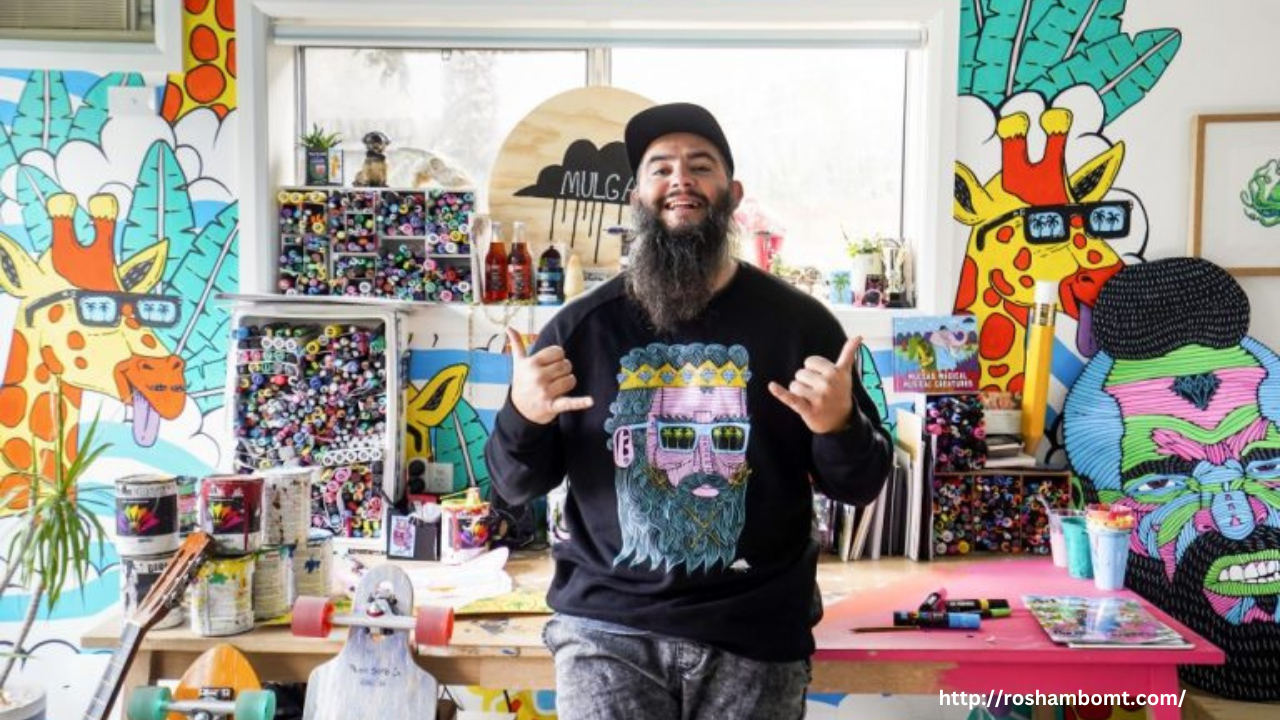
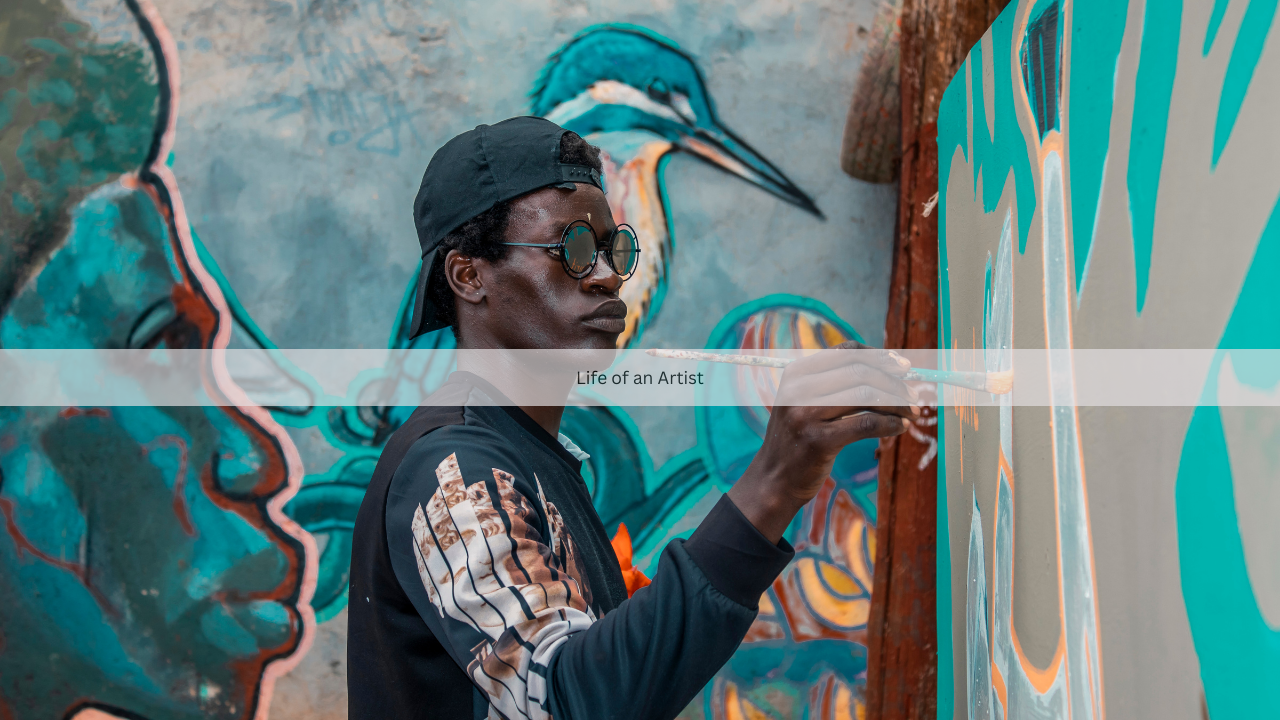
The journey from being a struggling artist to achieving success is one filled with challenges, determination, and resilience. The romanticized notion of the “starving artist” has long been a stereotype associated with those pursuing creative careers. While the path to financial stability in the arts can be uncertain, many artists have proven that it is possible to turn passion into a sustainable livelihood. Success in the art world requires not only talent but also business acumen, perseverance, and adaptability.
The Struggles of a Starving Artist
For many artists, the early stages of their careers are marked by financial hardship and uncertainty. Creating art is often a deeply personal endeavor, but translating it into a stable income can be daunting. Many aspiring artists take on part-time jobs or freelance gigs to support themselves while dedicating time to their craft.
One of the biggest challenges artists face is gaining exposure. Without recognition, selling artwork, booking performances, or securing commissions can be difficult. Social media has helped many artists gain visibility, but competition is fierce. Building a dedicated audience takes time, consistent effort, and effective marketing strategies.
Additionally, self-doubt and external criticism can be significant hurdles. Artists must develop resilience to navigate rejection, whether from galleries, clients, or the general public. Many successful artists have experienced multiple setbacks before finding their breakthrough.
The Turning Point: Strategies for Success
Transitioning from a struggling artist to a successful one requires a combination of artistic skill and entrepreneurial mindset. One of the key factors in this transition is diversification. Many artists generate income through multiple streams, including selling original works, prints, merchandise, commissions, teaching workshops, or offering online courses.
Networking also plays a crucial role in an artist’s career. Building relationships with other creatives, gallery owners, collectors, and industry professionals can open doors to new opportunities. Attending exhibitions, joining artist communities, and collaborating with others can help an artist expand their reach.
In today’s digital age, leveraging online platforms is essential. Websites, social media, and online marketplaces provide artists with global exposure. Many successful artists use Instagram, TikTok, and Patreon to connect with their audience and monetize their work. E-commerce platforms like Etsy or personal online stores enable direct sales, reducing reliance on traditional gallery representation.
Achieving Long-Term Success
Once an artist establishes financial stability, maintaining success requires continuous growth and adaptation. The art world is constantly evolving, and staying relevant involves refining skills, experimenting with new styles, and embracing changing market trends.
Artists who thrive in the long term are those who understand their value and set fair prices for their work. Underpricing art can lead to burnout and undervaluation, while strategic pricing ensures sustainability. Understanding contracts, licensing, and copyright laws also helps artists protect their work and maximize earnings.
Ultimately, success in the arts is a combination of passion, persistence, and business strategy. While the journey from struggling artist to financial stability is challenging, it is also incredibly rewarding. By embracing both creativity and entrepreneurship, artists can break free from the starving artist myth and create a thriving career doing what they love.


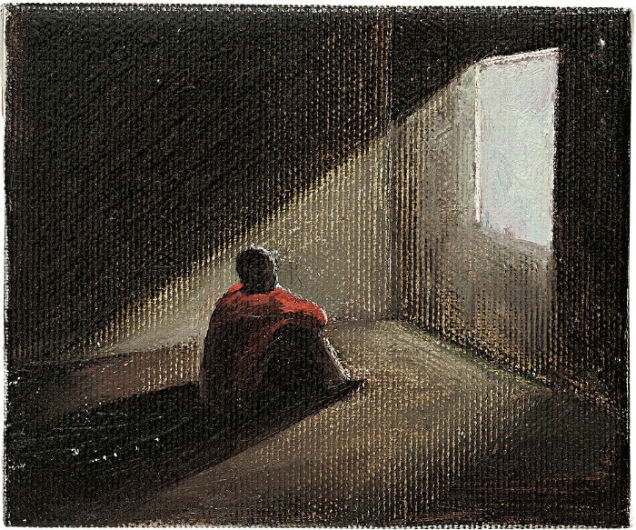


 For many artists, creativity is inseparable from their identity. It serves as a means of self-expression, allowing them to channel their emotions, experiences, and perspectives into their work. However, the same qualities that fuel their artistic endeavors can also predispose them to addiction. The intense emotional highs and lows that accompany the creative process can become overwhelming, leading some artists to seek refuge in substances as a means of coping.