The life of an artist is often romanticized as one filled with endless inspiration, spur-of-the-moment creativity, and spontaneous bursts of genius. However, the reality for many artists is far from this myth. Balancing creativity with daily routines and responsibilities can be challenging. It requires discipline, structure, and a delicate understanding of how to nurture the creative process without stifling it. For artists, the key to success is often found in the balance between their imaginative work and the demands of daily life.
The Myth of Constant Inspiration
Many people believe that artists are constantly inspired, waiting only for the next wave of creativity to strike. However, this is far from the truth. Just like in any profession, artists experience creative blocks, doubts, and periods of stagnation. The notion that creativity flows effortlessly can create unrealistic expectations, leading to frustration and burnout. Successful artists recognize that creativity is something that needs to be cultivated regularly, often through consistent work and a structured approach to their craft.
Establishing a Routine
While some might think of routines as stifling or boring, they can actually provide a foundation for artistic expression. For many artists, a solid routine helps create a space where creativity can flourish. This might involve setting aside specific times during the day to focus solely on their art, without distractions from the outside world. Morning hours are often cherished by artists as a time to clear their minds, reflect, and dive into creative projects. Others might find their rhythm later in the day, but the common thread is consistency.
The process of establishing a routine helps to combat the unpredictability of creativity. By showing up to work at a designated time each day, artists are more likely to push through creative blocks and engage with their work on a deeper level. It’s a practice of training the mind to be ready to create, even when inspiration doesn’t immediately strike.
The Balance Between Structure and Flexibility
Finding a balance between routine and flexibility is crucial. While structure allows an artist to maintain productivity, flexibility ensures that creativity doesn’t feel forced or confined. For example, many artists have a loose structure for their day but allow room for spontaneous creative moments. They might start the day with a set of goals, such as sketching ideas or developing concepts, but leave space for sudden bursts of inspiration or detours that take their work in unexpected directions.
Flexibility also allows artists to respond to the natural ebb and flow of creativity. On days when the inspiration feels distant, they can shift focus to less demanding tasks, like organizing their workspace, researching, or refining earlier works. This approach reduces pressure and keeps the momentum going without forcing productivity.
Managing the Mundane
In addition to creative work, artists must also juggle the practical aspects of life. Managing finances, responding to emails, promoting their work, and dealing with other administrative tasks are all part of the daily grind. This is where routine becomes essential. Many artists dedicate certain times of day to handling these less glamorous but necessary tasks so that they don’t interfere with the flow of creativity. The key is compartmentalizing the creative process and the more mundane aspects of life so that each gets the attention it deserves.
Conclusion
The daily grind of an artist’s life is a delicate dance between creativity and routine. While creativity is often viewed as spontaneous, it thrives best within a structured environment that encourages consistent effort. By balancing discipline with flexibility, and managing both the artistic and practical aspects of life, artists can maintain their creative momentum and achieve long-term success.


 For many artists, creativity is inseparable from their identity. It serves as a means of self-expression, allowing them to channel their emotions, experiences, and perspectives into their work. However, the same qualities that fuel their artistic endeavors can also predispose them to addiction. The intense emotional highs and lows that accompany the creative process can become overwhelming, leading some artists to seek refuge in substances as a means of coping.
 Artistic expression is a multifaceted phenomenon that transcends conventional boundaries and defies standardization. From the rhythmic strokes of a painter’s brush to the melodic cadence of a poet’s verse, each artistic medium has its tempo—a unique rhythm that reflects the artist’s vision, emotions, and creative impulses. In this article, we delve into the distinctive tempo of artistic expression and explore how it shapes the creative process across various disciplines.
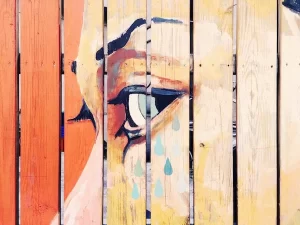 The world of art is a vibrant tapestry woven with the threads of individuality, creativity, and the courage to defy norms. Artists, by their very nature, tend to march to a different beat, crafting their unique rhythms that resonate with the echoes of their personal narratives. In this article, we embark on an exploration of the artistic journey, delving into why creatives often choose the path less trodden, forging their own distinctive cadence.
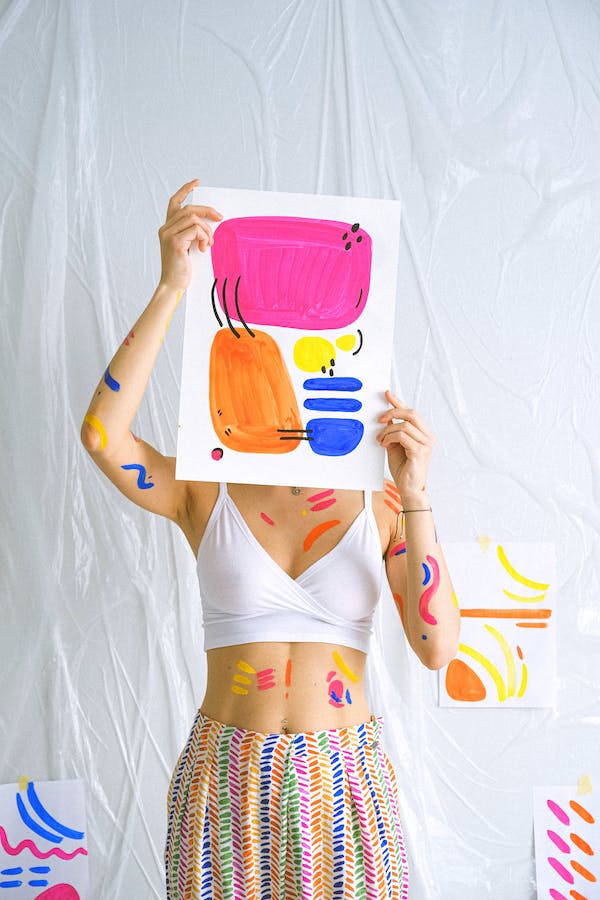 The artist’s lifestyle usually revolves around their work and creative processes. This could include staying up late, turning off late-night alarms and creating a working environment that works for them. They may live in places that inspire them, such as a cabin in the woods or a city loft, but they may also live in whatever suits their lifestyle and budget best.