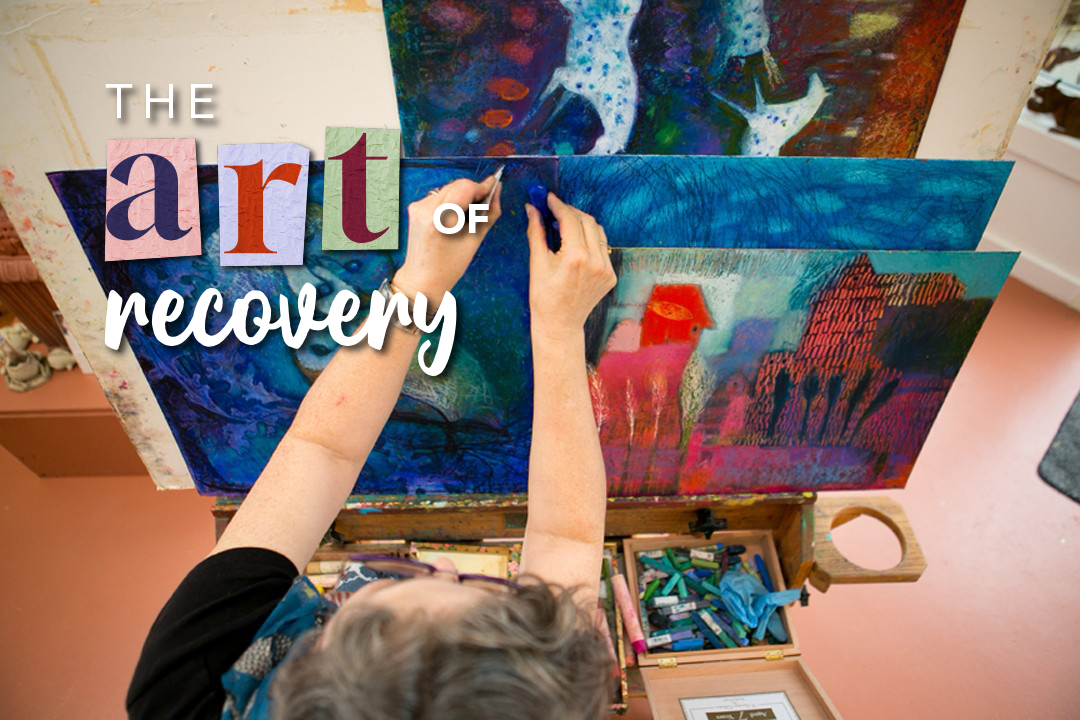
Archive | September 2026

Living as an Artist: How Creativity, Self-Care, and Recovery Can Work Together

Living as an artist can be deeply rewarding, but it can also come with pressures that are easy to overlook. Creative professionals often work irregular hours, face financial uncertainty, deal with criticism and rejection, and place significant emotional energy into their work. For someone also struggling with addiction, anxiety, depression, or another mental health concern, those pressures can become even more difficult to manage. Learning how creativity, self-care, and recovery can work together gives artists an opportunity to protect their wellbeing without giving up the creative identity that matters so much to them.

Recovery does not require an artist to become less passionate, less emotional, or less creative. Instead, it can provide healthier ways to manage stress, process difficult experiences, and build a lifestyle that supports both personal wellness and creative expression. With appropriate addiction recovery and mental health treatment, artists can begin creating routines that support their mind, body, relationships, and long-term goals.

Understanding the Realities of Living as an Artist

The public often sees the finished product rather than the process behind it. A painting, album, performance, photograph, sculpture, or written work may represent weeks or months of effort that involved uncertainty, self-doubt, financial pressure, and emotional strain.

Artists may also have fewer boundaries between their professional and personal lives. A traditional workday may have clear beginning and ending points. Creative work, however, can continue late into the night or become difficult to separate from personal identity.

Common Pressures Artists May Experience

Living as an artist can involve:

  • Unpredictable income and career opportunities
  • Pressure to constantly produce new work
  • Perfectionism and fear of failure
  • Rejection or criticism
  • Irregular sleep patterns
  • Social isolation
  • Difficulty maintaining consistent routines
  • Emotional exhaustion
  • Performance or deadline pressure
  • Substance use as a way to cope with difficult emotions

None of these experiences automatically leads to addiction or mental health problems. However, when stress remains unresolved, unhealthy coping can become increasingly appealing.

When Creativity and Unhealthy Coping Become Connected

For some artists, alcohol or drugs may initially seem connected to creativity. A substance might appear to reduce self-consciousness, make social situations easier, or temporarily quiet anxiety and emotional pain.

The relief, however, can come with significant consequences.

Repeated substance use can affect concentration, sleep, motivation, relationships, finances, physical health, and creative consistency. Over time, an artist may find that the behavior originally used to support creativity is actually interfering with it.

Recognizing the Warning Signs

It may be time to seek professional support if substance use:

  • Becomes difficult to control
  • Takes priority over creative work or relationships
  • Continues despite negative consequences
  • Is used regularly to manage stress or emotional pain
  • Causes missed deadlines or professional responsibilities
  • Leads to withdrawal from family or friends
  • Creates financial or legal problems
  • Leaves you feeling unable to function without it

Recognizing these signs is not an admission of failure. It is an opportunity to address a problem before it takes more control over daily life.

Self-Care Is Part of the Creative Process

Self-care is sometimes dismissed as an extra responsibility, especially by people who are focused on their careers. For artists, however, caring for personal wellbeing can directly support creativity.

The brain and body need adequate sleep, nutrition, movement, rest, and emotional support. Without those foundations, concentration and motivation can suffer.

Start With the Basics

A healthier lifestyle does not have to begin with an elaborate wellness plan.

Start with practical changes:

Prioritize sleep. Aim for a consistent sleep schedule whenever possible. Adequate rest supports mood, concentration, and emotional regulation.

Eat regularly. Skipping meals during long creative sessions can leave you physically and mentally depleted.

Move your body. Walking, stretching, exercise, or another form of movement can help reduce tension and create a useful break from creative work.

Take real breaks. Stepping away from a project can prevent mental exhaustion and provide fresh perspective.

Stay connected. Regular contact with supportive people can reduce isolation and provide perspective when creative work becomes overwhelming.

Small habits become more powerful when they are repeated consistently.

Creating Structure Without Losing Creativity

Artists sometimes worry that structure will interfere with inspiration. In reality, structure can create the stability needed for creativity to thrive.

A consistent daily rhythm can make it easier to protect time for creative work while also making room for sleep, meals, relationships, treatment, and recovery.

Build a Flexible Daily Routine

A useful routine might include:

  • A consistent wake-up and bedtime
  • Morning reflection or quiet time
  • Dedicated creative hours
  • Regular meals
  • Physical activity
  • Time with supportive people
  • Therapy or recovery activities
  • Evening relaxation
  • A brief review of the day

The goal is not to schedule every minute. A healthy routine should provide direction without becoming another source of pressure.

Recovery Requires More Than Avoiding Substances

Addiction recovery is not simply about stopping alcohol or drug use. Long-term recovery often involves understanding why unhealthy coping developed and learning new ways to respond to stress, trauma, anxiety, depression, loneliness, or other underlying concerns.

For artists, this process may also involve examining how addiction became connected to their creative identity.

Separate Creativity From Substance Use

An important recovery goal can be learning that creativity does not depend on intoxication.

This may take time, particularly if substances have been part of an artist’s routine for years. Early sobriety may feel unfamiliar, and creative energy may fluctuate while the brain and body adjust.

That does not mean creativity is gone.

Instead, artists can experiment with healthier creative routines. Journaling, sketching, playing music, photography, painting, movement, or writing can provide ways to process emotions without relying on substances.

Professional treatment can also help individuals develop coping strategies that make difficult emotions more manageable.

Addressing Mental Health Alongside Addiction

Addiction and mental health concerns can sometimes occur together. Anxiety, depression, trauma, and other concerns may contribute to substance use, while prolonged substance use can also worsen emotional and psychological symptoms.

Treating only one side of the problem may leave important needs unaddressed.

Why Individualized Treatment Matters

Every artist has a different history and different recovery goals. Treatment should take those differences into account.

Individualized care can address factors such as:

  • Substance use patterns
  • Mental health symptoms
  • Personal history
  • Family relationships
  • Professional responsibilities
  • Recovery goals
  • Physical health
  • Spiritual beliefs
  • Existing support systems

A personalized approach allows treatment professionals to focus on the person rather than reducing them to a diagnosis or behavior.

Exploring Inpatient and Outpatient Recovery

Different stages of recovery may require different levels of support.

Inpatient Care

Inpatient treatment provides a structured setting where individuals can step away from environments that may reinforce unhealthy behaviors. It can offer time to focus on stabilization, therapy, recovery skills, healthy routines, and emotional growth.

For an artist whose substance use or mental health concerns have become overwhelming, a structured environment can provide space to establish a stronger foundation before returning to everyday responsibilities.

Outpatient Care

Outpatient treatment allows individuals to receive professional support while continuing to live at home and manage appropriate responsibilities.

For artists, outpatient care may allow room to gradually rebuild creative routines while receiving therapy, counseling, and recovery support.

The right level of treatment depends on each individual’s circumstances, clinical needs, safety considerations, and recovery goals.

Taking a Holistic Approach to Artist Recovery

Recovery affects the whole person. A holistic approach recognizes that physical health, mental health, relationships, values, creativity, and spirituality can all influence wellbeing.

For artists, this broader perspective can be especially useful because creative identity is often closely connected to personal meaning and purpose.

Caring for the Mind

Therapy and mental health treatment can help artists understand emotional triggers, manage anxiety or depression, process difficult experiences, and develop healthier responses to stress.

Caring for the Body

Nutrition, movement, sleep, hydration, and medical care can provide essential foundations for recovery.

Artists who spend long periods focused on creative work may unintentionally neglect these areas. Rebuilding physical wellness can help restore energy and stability.

Caring for the Spirit

For people who value faith, spiritual practices can be an important part of healing.

Prayer, Scripture, reflection, fellowship, and other faith-based practices can help individuals explore meaning, hope, forgiveness, purpose, and personal values.

Faith-based support can work alongside professional addiction and mental health treatment, creating a more complete approach to recovery for those who find spirituality meaningful.

Building a Support System That Understands Recovery

Artists may be accustomed to working independently, but recovery should not be an isolated process.

Supportive relationships can provide encouragement, accountability, perspective, and practical assistance during difficult periods.

Choose Support That Strengthens Your Goals

A healthy support system might include:

  • Family members
  • Trusted friends
  • Therapists and counselors
  • Addiction treatment professionals
  • Peer recovery communities
  • Faith communities
  • Healthy creative communities

It is also important to recognize relationships that consistently encourage substance use or other destructive behaviors. Establishing boundaries can be an essential part of protecting recovery.

Let Creativity Become Part of a Healthier Life

Creative expression can become a meaningful part of recovery when it is approached as a healthy outlet rather than a justification for destructive behavior.

Artists can use their work to explore emotions, document progress, reconnect with personal values, and discover new sources of inspiration.

However, creative activities should complement professional treatment when addiction or significant mental health concerns are present.

Recovery provides the foundation. Creativity can become one of the ways a person builds a meaningful life on that foundation.

Creating a Sustainable Future as an Artist

Living as an artist does not have to mean choosing between creative freedom and personal stability.

It is possible to build a lifestyle that makes room for both.

That may involve learning to work within healthier boundaries, accepting periods of rest, asking for support, developing consistent routines, and recognizing when professional treatment is necessary.

Most importantly, recovery gives artists an opportunity to redefine success. Success is not only about producing more work or achieving professional recognition. It can also mean waking up with greater clarity, maintaining meaningful relationships, managing stress without substances, caring for your health, and having the freedom to pursue creativity without being controlled by addiction.

Take the Next Step Toward Healthier Living

Creativity can be an important part of who you are, but it should not have to come at the expense of your mental health or physical wellbeing. If alcohol, drugs, anxiety, depression, trauma, or chronic stress are interfering with your life, professional support can help you identify healthier ways forward.

Roshambo’s approach to addiction recovery and mental health treatment emphasizes individualized care and can include inpatient and outpatient services, holistic support, and faith-based approaches. This kind of personalized care can help individuals address the factors behind unhealthy coping while developing practical tools for lasting recovery.

You do not have to give up your identity as an artist to pursue recovery. You can learn to care for yourself, strengthen your relationships, manage difficult emotions, and create a healthier foundation for your creative life.

If you are struggling, reaching out for help is a meaningful first step. Recovery can give you more than freedom from addiction. It can give you the stability, clarity, and support needed to live creatively while also living well.
The Artist’s Lifestyle and Mental Health: Building Healthy Habits for a Creative Life

The artist’s lifestyle is often associated with freedom, imagination, passion, and self-expression. However, creative work can also come with intense pressure, unpredictable routines, financial uncertainty, isolation, perfectionism, and emotional exhaustion. When these challenges build over time, an artist’s mental health can suffer. For some people, unhealthy coping may eventually include alcohol or drug use, making it even harder to maintain relationships, professional responsibilities, and personal wellbeing. Building healthy habits can help artists protect their mental health while creating a more stable foundation for creativity and recovery.

A healthy creative life does not require an artist to sacrifice passion or spontaneity. Instead, it involves finding practical ways to support the mind, body, and spirit. For artists dealing with addiction or mental health concerns, professional treatment can provide the structure, guidance, and individualized support needed to establish healthier patterns and move toward lasting recovery.

Understanding the Connection Between Creativity and Mental Health

Creativity can be a powerful form of self-expression. Painting, writing, music, photography, acting, dance, and other artistic practices can help people process experiences and communicate emotions that may be difficult to express through ordinary conversation.

However, creativity does not automatically protect someone from mental health challenges.

Artists can experience many of the same mental health concerns as anyone else, including anxiety, depression, trauma-related symptoms, substance use disorders, and chronic stress. The demands of creative work may sometimes add another layer of pressure.

Common Challenges in the Artist’s Lifestyle

Some artists may struggle with:

  • Irregular sleep and work schedules
  • Financial or career uncertainty
  • Pressure to constantly produce new work
  • Fear of criticism or rejection
  • Perfectionism
  • Social isolation
  • Difficulty separating work from personal life
  • Emotional exhaustion
  • Substance use as a coping mechanism
  • Loss of motivation or creative confidence

Recognizing these challenges is important because mental health should not be treated as an afterthought. An artist’s wellbeing is part of the foundation that makes a sustainable creative life possible.

Why Healthy Habits Matter for Artists

Creative inspiration can be unpredictable. Healthy habits, however, can provide consistency when motivation changes.

Roshambo’s existing discussion of the artist lifestyle highlights how structure can provide a foundation for both creative work and recovery. Structured routines can encourage healthy habits, emotional regulation, self-awareness, and consistency while still leaving room for creative freedom.

This balance matters because a completely unstructured lifestyle can make it easier for unhealthy behaviors to take over.

A regular sleep schedule, nutritious meals, physical activity, social connection, quiet reflection, and designated creative time may seem simple. Yet these habits can have a meaningful effect when practiced consistently.

Start With a Manageable Routine

Artists do not need to completely redesign their lives overnight. In fact, trying to change everything at once can become overwhelming.

Start with a few reliable habits.

For example, establish a consistent wake-up time, schedule meals, set aside time for creative work, and create a regular evening routine. Once these habits become familiar, additional wellness practices can be introduced.

The goal is not perfection. The goal is consistency.

Managing Stress Without Turning to Substances

Stress is unavoidable, especially when creative work involves deadlines, financial concerns, professional competition, or uncertainty about the future. What matters is how stress is managed.

For someone struggling with addiction, alcohol or drugs may initially appear to provide temporary relief. Over time, however, substance use can create additional problems and make the original stress more difficult to manage.

Recognize Personal Triggers

Understanding triggers is an important part of addiction recovery.

An artist might notice that substance use tends to occur after criticism, during periods of creative frustration, after performances, during financial stress, or when working late at night.

Keeping a simple journal can help identify patterns.

Record what happened, how you felt, what you were thinking, and how you responded. This information can help reveal connections between emotions, circumstances, and unhealthy behaviors.

Once triggers become clearer, healthier alternatives can be developed.

These might include talking with a trusted person, taking a walk, practicing breathing exercises, creating art without judgment, attending a support group, or contacting a treatment professional.

Protecting Mental Health Through Creative Boundaries

Artists often feel pressure to always be available to their work. Because creativity can feel deeply personal, it may become difficult to know when to stop.

Without boundaries, creative work can consume time that should be devoted to rest, relationships, and physical health.

Give Yourself Permission to Rest

Rest is not wasted time.

Sleep and recovery allow the brain and body to recharge. Taking breaks can also prevent creative exhaustion and reduce the risk of burnout.

Artists can benefit from setting specific working hours when possible. Turning off notifications, stepping away from a studio, spending time with family, or simply doing something unrelated to art can provide necessary mental space.

A healthy creative lifestyle includes periods when you are not producing anything.

Building Emotional Resilience in Recovery

For an artist experiencing addiction, recovery involves more than stopping substance use. It also means learning how to respond to difficult emotions in healthier ways.

Therapy can help individuals explore the experiences, beliefs, relationships, and emotional patterns that contribute to unhealthy coping.

Learn to Sit With Difficult Emotions

Artists may be highly aware of their emotions, but awareness alone does not always make emotions easier to manage.

Recovery can teach practical skills for tolerating discomfort without immediately trying to escape it.

Instead of responding to frustration with substance use, an individual may learn to pause, identify the emotion, understand the trigger, and choose a healthier response.

That process takes practice.

Emotional resilience develops gradually through repeated experiences of facing difficult moments without returning to destructive behaviors.

How Professional Treatment Can Help

When addiction and mental health concerns become difficult to manage independently, professional treatment can provide a safe and structured path forward.

Treatment should not be based on a one-size-fits-all model. Every artist brings different experiences, responsibilities, relationships, goals, and challenges into recovery.

Individualized treatment can help address both substance use and underlying mental health concerns while developing practical strategies for long-term wellness.

Inpatient Treatment

Inpatient care provides a structured environment where individuals can step away from environments or routines that may be contributing to substance use.

This can give a person time to focus on stabilization, therapy, healthy routines, emotional growth, and recovery without the same daily pressures they may experience at home.

For someone whose addiction has become severe or difficult to control, a higher level of structure can be an important part of the recovery process.

Outpatient Treatment

Outpatient care allows individuals to receive professional support while continuing to live at home and manage appropriate personal or professional responsibilities.

For artists, this may provide an opportunity to work on recovery while gradually rebuilding healthy creative routines and maintaining important connections.

The appropriate level of care depends on each person’s circumstances and clinical needs.

Supporting the Whole Person Through Holistic Wellness

Recovery is not limited to one part of life. Physical health, emotional wellbeing, relationships, personal values, and spiritual life can all influence the recovery process.

A holistic approach considers these different areas together.

Caring for the Mind

Mental health treatment can provide tools for managing anxiety, depression, trauma, stress, and other concerns that may contribute to unhealthy coping.

Therapy can also help artists develop healthier perspectives around perfectionism, rejection, self-worth, and identity.

Caring for the Body

Nutrition, sleep, movement, hydration, and physical activity can support overall wellbeing.

Artists sometimes become so focused on creative work that basic physical needs are neglected. Recovery offers an opportunity to rebuild those foundations.

Caring for the Spirit

For individuals whose faith is important, spiritual practices can become a meaningful part of recovery.

Prayer, reflection, Scripture, fellowship, and other faith-based practices may help individuals reconnect with purpose, hope, forgiveness, and values that support healthier decisions.

Faith-based care does not have to replace clinical treatment. It can complement professional mental health and addiction services as part of a broader, individualized recovery plan.

Building a Support System

Creative work can sometimes be solitary, but recovery should not be.

Strong support can help artists remain accountable, recognize warning signs, and maintain motivation during difficult periods.

Support may come from family members, friends, therapists, recovery groups, faith communities, treatment professionals, or other people who understand the challenges involved.

Know When to Ask for Help

Waiting until a crisis occurs is not necessary.

If substance use is becoming more frequent, mental health symptoms are interfering with daily life, relationships are deteriorating, or an artist feels unable to stop a harmful behavior, reaching out for professional help can be an important step.

Asking for help does not mean giving up independence. It means recognizing when additional support could make recovery safer and more sustainable.

Creating a Sustainable Creative Life

The goal of a healthy artist lifestyle is not to eliminate every challenge. Life will still include uncertainty, criticism, difficult emotions, and periods when inspiration disappears.

The difference is having healthier tools for responding to those experiences.

A sustainable creative life might include:

  • Consistent sleep and meal routines
  • Regular physical activity
  • Time dedicated to creative expression
  • Healthy relationships and social connection
  • Professional mental health support when needed
  • Recovery meetings or peer support
  • Personal boundaries
  • Time away from work
  • Spiritual or reflective practices
  • Healthy strategies for managing stress

These habits can help create stability without taking away the freedom that makes creative work meaningful.

Your Creativity and Your Wellbeing Can Coexist

The artist’s lifestyle does not have to be defined by exhaustion, instability, addiction, or emotional distress. Creativity and wellness can exist together when artists make their mental health a genuine priority.

For someone struggling with addiction or a mental health concern, recovery can be an opportunity to rebuild daily routines, strengthen relationships, develop healthier coping skills, and rediscover a sense of purpose. With individualized treatment, structured support, and a holistic approach, it is possible to work toward a life that supports both personal wellbeing and creative expression.

Roshambo’s approach recognizes the value of personalized addiction recovery and mental health treatment, including inpatient and outpatient care, holistic therapies, faith-based support, community connection, and individualized treatment planning.

If addiction, stress, or mental health challenges are interfering with your life as an artist, you do not have to handle everything alone. Reaching out for professional support can be the first step toward healthier habits, greater stability, and a creative life that feels sustainable.

Your art matters, but so do you. Building a healthier life gives you the opportunity to keep creating while also protecting the person behind the work.

Creating a Life That Inspires: Mental Health, Recovery, and Wellness for Artists

Artists often build their lives around creativity, passion, and self-expression. Yet behind the finished painting, performance, photograph, song, or other creative work can be stress, uncertainty, emotional pressure, and periods of isolation. For some artists, these challenges can contribute to anxiety, depression, burnout, substance use, or other mental health concerns. Creating a life that inspires is not only about producing meaningful work. It is also about developing the mental, emotional, physical, and spiritual wellness needed to sustain that creative life.

For artists struggling with addiction or mental health challenges, recovery can provide an opportunity to build a healthier relationship with creativity and with themselves. Professional treatment, personalized support, healthy routines, and meaningful connections can help artists move beyond simply coping and begin creating a life that feels stable, purposeful, and authentic.

Why Mental Health Matters in the Artist Lifestyle

The artist lifestyle can look exciting from the outside, but creative work often comes with unique pressures. Income may be unpredictable. Work may depend on public opinion. Deadlines can be demanding, and creative professionals may spend long periods working independently.

At the same time, artists frequently draw from their personal experiences and emotions. While this can produce powerful creative work, constantly revisiting difficult emotions can become exhausting.

Common Mental Health Challenges for Artists

Artists may experience:

  • Anxiety about career stability or creative performance
  • Depression and persistent feelings of discouragement
  • Burnout from prolonged periods of intense work
  • Social isolation or difficulty maintaining relationships
  • Perfectionism and fear of failure
  • Sleep problems and unhealthy routines
  • Low self-esteem connected to criticism or rejection
  • Substance use as a way to manage stress or emotional pain

Experiencing one of these challenges does not mean an artist has failed. Mental health concerns are health concerns, not character flaws. Recognizing a problem early can make it easier to seek appropriate support.

When Stress Leads to Unhealthy Coping

Stress is a normal part of life, but the ways people respond to stress can become harmful. An artist who feels overwhelmed may begin relying on alcohol, drugs, compulsive behaviors, or other forms of escape to get through difficult periods.

At first, these behaviors may appear to provide relief. However, repeated reliance on them can gradually interfere with creativity, relationships, finances, physical health, and emotional stability.

Signs That Coping Has Become a Problem

It may be time to consider professional help when substance use or another behavior begins to:

  • Interfere with creative work or professional responsibilities
  • Damage relationships with family, friends, or colleagues
  • Become difficult to control
  • Take priority over important commitments
  • Increase feelings of anxiety, shame, or depression
  • Affect sleep, nutrition, or physical health
  • Continue despite serious personal or professional consequences

The important question is not whether someone fits a stereotype of addiction. The more useful question is whether a particular behavior is making life smaller, less stable, and less fulfilling.

Recovery Does Not Mean Giving Up Creativity

One of the biggest fears an artist may have when considering addiction treatment is losing the part of themselves that makes them creative.

That fear deserves to be taken seriously.

Creativity is often closely connected to identity. An artist may wonder whether sobriety will change their imagination, emotional range, or ability to create meaningful work. In reality, recovery does not require abandoning creativity. Instead, it can help artists develop healthier ways to access inspiration and express difficult emotions.

Professional treatment can also help individuals understand the difference between creativity and destructive coping. Substance use may have become associated with certain environments, routines, or creative processes. Recovery creates an opportunity to separate artistic expression from behaviors that cause harm.

Building Healthy Routines That Support Creativity

Inspiration is important, but sustainable creativity also requires structure. Artists who establish consistent routines can create greater stability in other areas of life.

A healthy routine might include regular sleep, nutritious meals, physical activity, creative practice, time outdoors, reflection, and meaningful social connection.

Create Structure Without Losing Freedom

A routine does not have to make creative life rigid. Instead, it can provide a foundation that gives creativity room to develop.

Consider creating simple anchors throughout the day:

Morning: Begin with quiet reflection, journaling, prayer, meditation, movement, or another practice that establishes a healthy mindset.

Afternoon: Dedicate focused time to creative work while taking regular breaks to protect energy and concentration.

Evening: Reduce stimulation, connect with supportive people, reflect on the day, and prepare for restorative sleep.

Small habits can become powerful when practiced consistently.

The Role of Holistic Wellness in Recovery

Recovery involves more than stopping substance use. Lasting wellness requires attention to the whole person.

A holistic approach considers physical health, emotional wellbeing, relationships, personal values, mental health, and spiritual needs. This can be particularly meaningful for artists because creativity itself can become part of a broader process of self-discovery and healthy expression.

Supporting the Mind

Mental health treatment can help artists understand anxiety, depression, trauma, emotional triggers, and other factors that may contribute to unhealthy coping. Therapy and counseling can provide practical strategies for managing difficult emotions without turning to substances.

Supporting the Body

Sleep, nutrition, movement, and physical health all influence mood and cognitive function. Artists who neglect these areas may find that their creative energy eventually suffers as well.

Recovery provides an opportunity to rebuild physical routines that support both health and creative performance.

Supporting the Spirit

For people who value spirituality or faith, spiritual practices can provide meaning, hope, accountability, and a stronger sense of purpose. Faith-based recovery can help individuals explore questions of identity, forgiveness, purpose, and hope while addressing addiction and mental health concerns.

Choosing the Right Level of Addiction Treatment

Every person’s recovery needs are different. Some individuals may benefit from intensive inpatient care, while others may be able to make progress through outpatient treatment while maintaining work, family, or other responsibilities.

Inpatient Treatment

Inpatient care provides a structured environment where individuals can step away from destructive routines and focus more fully on recovery. This level of support can be especially valuable when addiction or mental health symptoms have become difficult to manage independently.

A structured setting also provides opportunities to establish healthy daily habits, participate in therapy, develop coping skills, and build connections with others who understand the recovery process.

Outpatient Treatment

Outpatient treatment can provide ongoing professional support while allowing individuals to continue living at home and maintaining important responsibilities.

For an artist, this may make it possible to continue selected creative or professional activities while working on recovery goals. The appropriate level of care depends on factors such as the severity of addiction, mental health

Behind the Creative Life: How Artists Can Overcome Stress, Addiction, and Emotional Challenges

The creative life can look inspiring from the outside, but the reality is often more complicated. Artists may spend their days pursuing ideas, performing, creating, and expressing emotions while privately dealing with stress, financial uncertainty, perfectionism, isolation, or emotional exhaustion. For some, alcohol or drugs can become a way to cope with pressure, anxiety, disappointment, or difficult feelings. Over time, these coping patterns can interfere with relationships, health, creativity, and personal goals. Understanding these challenges is an important first step toward building a healthier artistic life. With compassionate mental health support, addiction treatment, healthy routines, and individualized care, artists can protect their wellbeing while continuing to pursue meaningful creative work.

Understanding the Pressure Behind an Artistic Lifestyle

Artists often have a unique relationship with their work. Creative expression can be deeply personal, which means criticism, rejection, or professional setbacks may feel particularly difficult.

At the same time, many creative careers lack predictable schedules. An artist may work late at night, travel frequently, accept inconsistent projects, or spend long periods working alone. While flexibility can be rewarding, a lack of structure can make it harder to maintain healthy habits.

Common Sources of Stress for Artists

Several challenges can contribute to emotional strain, including:

  • Financial uncertainty
  • Irregular work schedules
  • Performance pressure
  • Fear of rejection
  • Perfectionism
  • Creative blocks
  • Social isolation
  • Career competition
  • Difficulty separating work from personal life
  • Pressure to constantly produce new work

These experiences do not mean that the artistic lifestyle is unhealthy by nature. However, without effective coping strategies, ongoing pressure can affect mental health and increase vulnerability to unhealthy behaviors.

When Stress Becomes More Than Stress

Everyone experiences difficult periods. The concern arises when stress becomes persistent and begins affecting daily functioning.

An artist might notice that they are constantly exhausted, withdrawing from loved ones, losing interest in creative work, or struggling to concentrate. Sleep may become disrupted, and emotions may feel increasingly difficult to manage.

Recognize the Warning Signs

Potential signs that additional support may be needed include:

  • Persistent sadness or anxiety
  • Frequent irritability
  • Difficulty sleeping
  • Loss of motivation
  • Feelings of hopelessness
  • Increasing isolation
  • Problems maintaining relationships
  • Declining work performance
  • Using alcohol or drugs to cope
  • Feeling unable to stop using a substance
  • Losing interest in activities that once felt meaningful

Recognizing these signs early can make it easier to seek help before problems become more difficult to manage.

Understanding Addiction in the Creative Community

There is sometimes a romanticized image of the artist who lives intensely, takes risks, and uses substances as part of the creative process. In reality, addiction can take away the very creativity, independence, and relationships that make artistic work meaningful.

Substances may initially seem to provide relief. Alcohol might temporarily reduce performance anxiety. Drugs may appear to increase energy or help someone escape emotional pain. However, repeated substance use can create tolerance, dependence, impaired judgment, financial problems, damaged relationships, and worsening mental health.

Addiction Is Not a Failure of Character

Addiction is a complex health concern, not evidence that someone lacks discipline or personal strength.

Shame can prevent people from asking for help. Compassion can make that first step easier.

Effective addiction recovery focuses on understanding the factors that contribute to substance use and developing healthier ways to respond to stress, difficult emotions, relationships, and life circumstances.

For an artist, recovery can also involve rediscovering creativity without relying on substances to feel confident, inspired, relaxed, or emotionally numb.

Create Structure Without Losing Creativity

Artists often value freedom. Yet structure can actually protect creative freedom by creating stability around it.

Roshambo’s artist focused material highlights the connection between spontaneity and structure, noting that routines can provide a stable foundation for both creative development and recovery.

Build Simple Daily Anchors

A healthy routine does not have to eliminate flexibility. Instead, establish several dependable parts of your day.

For example, you might maintain consistent times for:

  • Waking and going to bed
  • Eating meals
  • Creative work
  • Physical activity
  • Therapy or recovery support
  • Social connection
  • Relaxation
  • Personal reflection

These anchors can provide stability even when the rest of your schedule changes.

Use Creativity as a Healthy Form of Expression

Creative expression can play an important role in emotional wellness. Art can help people explore experiences that may be difficult to communicate through ordinary conversation.

Painting, writing, music, photography, dance, or other creative activities may provide opportunities for reflection and self-expression.

Create Without Judging the Result

Not every creative activity needs to become a professional product.

Give yourself permission to create simply because it feels meaningful. Write without publishing. Sketch without selling. Play music without recording it. Experiment without worrying about whether the final result is good enough.

This approach can help separate creativity from performance pressure.

Develop Healthier Ways to Manage Stress

Stress cannot always be avoided, especially in creative careers. The goal is to develop reliable ways to respond when pressure builds.

Try Practical Coping Strategies

Healthy stress management strategies can include:

  • Walking or exercising
  • Practicing slow breathing
  • Journaling
  • Meditation
  • Spending time outdoors
  • Talking with a trusted friend
  • Maintaining regular sleep
  • Taking breaks from social media
  • Setting boundaries around work
  • Spending time on enjoyable activities unrelated to your career

Mindfulness can also help artists recognize difficult thoughts and emotions without immediately reacting to them.

For individuals who draw strength from faith, prayer, spiritual reflection, or a supportive faith community can provide an additional source of comfort and perspective.

Know When Professional Treatment Can Help

Self-care strategies can be valuable, but they are not a replacement for professional treatment when someone is experiencing significant mental health or addiction concerns.

If substance use, anxiety, depression, or emotional distress is interfering with work, relationships, health, or everyday responsibilities, professional support can provide a structured path forward.

Individualized Mental Health Treatment

Every person has a different history and different reasons for struggling. Effective treatment should account for those differences.

Individualized mental health care can explore emotional health, relationships, personal values, coping patterns, and circumstances that may contribute to distress.

For artists, treatment can also acknowledge the realities of creative work, including unpredictable schedules, performance pressure, career uncertainty, and the emotional vulnerability involved in self-expression.

Explore Addiction Recovery That Fits Your Needs

There is no single recovery path that works for everyone. Some individuals may benefit from intensive inpatient treatment, while others may be appropriate for outpatient services.

Inpatient Addiction Treatment

Inpatient care provides a structured environment where individuals can focus closely on recovery. This setting can be particularly valuable for people who need greater stability, intensive support, or separation from environments that make recovery difficult.

Treatment may include counseling, group support, healthy routines, recovery education, and strategies for managing emotions and cravings.

Outpatient Addiction Treatment

Outpatient care can allow eligible individuals to receive professional support while continuing certain responsibilities at home, work, or within their creative careers.

The appropriate level of care depends on individual needs, substance use patterns, mental health concerns, support systems, and treatment goals.

Take a Holistic Approach to Recovery

Recovery involves more than stopping substance use. Long term wellness also involves learning how to build a life that feels meaningful and sustainable.

A holistic approach considers the connection between mental, physical, emotional, social, and spiritual wellbeing. Roshambo’s published approach emphasizes personalized addiction recovery and mental health treatment, along with holistic and faith-based support.

Support the Whole Person

A comprehensive recovery plan may incorporate:

  • Individual counseling
  • Group support
  • Mindfulness practices
  • Healthy nutrition
  • Physical activity
  • Creative expression
  • Spiritual or faith-based practices
  • Relapse prevention
  • Stress management
  • Healthy relationships
  • Meaningful personal goals

Together, these areas can help individuals create a stronger foundation for life after treatment.

Build Resilience Through Connection

Artists may sometimes work in isolation, but isolation can make emotional struggles harder to manage.

Supportive relationships provide encouragement, accountability, and perspective. A trusted friend, family member, therapist, mentor, peer recovery group, or treatment community can make a meaningful difference.

You Do Not Have to Recover Alone

Asking for help does not diminish an artist’s independence or creativity. Instead, it creates an opportunity to develop healthier support systems.

Connection can also help challenge the belief that someone must handle everything alone.

Protect Your Identity Beyond Your Art

One of the most valuable steps an artist can take is developing an identity that extends beyond creative achievement.

Your worth is not determined by your latest project, performance, commission, exhibition, review, or number of followers.

Make Room for Life Outside Creativity

Maintain relationships, hobbies, physical activity, spiritual practices, and everyday experiences that have nothing to do with professional success.

This broader foundation can make difficult creative periods easier to navigate. When one project does not work out, your entire sense of identity does not have to collapse with it.

Conclusion: A Healthier Creative Life Is Possible

The artistic lifestyle can be deeply rewarding, but creativity should not require someone to sacrifice emotional health, physical wellbeing, relationships, or recovery. Stress, addiction, and emotional challenges are real concerns, yet they do not have to define an artist’s future.

Healthy routines, meaningful connections, creative expression, mindfulness, professional mental health treatment, and individualized addiction recovery can help artists develop greater stability and resilience. Inpatient and outpatient care can provide different levels of support depending on each person’s circumstances and treatment needs.

Most importantly, seeking help does not mean giving up your creativity. It means protecting the person behind the creative work.

If stress, substance use, emotional distress, or burnout is beginning to affect your life, consider taking the next step toward professional support. With compassionate and individualized care, recovery can become more than a way to overcome addiction. It can become an opportunity to rebuild stability, strengthen emotional wellness, rediscover purpose, and create a healthier future where artistic passion and personal wellbeing can exist together.