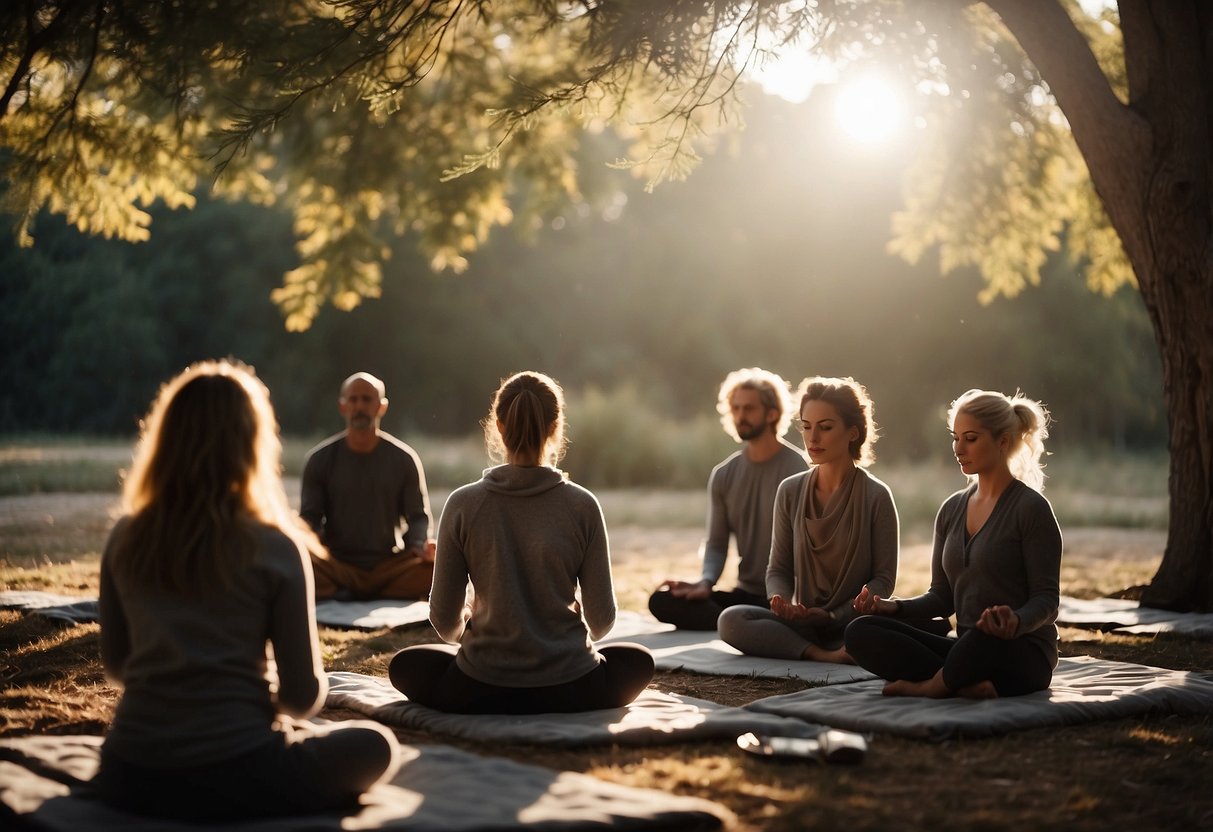
Artists often build their lives around creativity, passion, and self-expression. Yet behind the finished painting, performance, photograph, song, or other creative work can be stress, uncertainty, emotional pressure, and periods of isolation. For some artists, these challenges can contribute to anxiety, depression, burnout, substance use, or other mental health concerns. Creating a life that inspires is not only about producing meaningful work. It is also about developing the mental, emotional, physical, and spiritual wellness needed to sustain that creative life.
For artists struggling with addiction or mental health challenges, recovery can provide an opportunity to build a healthier relationship with creativity and with themselves. Professional treatment, personalized support, healthy routines, and meaningful connections can help artists move beyond simply coping and begin creating a life that feels stable, purposeful, and authentic.
Why Mental Health Matters in the Artist Lifestyle
The artist lifestyle can look exciting from the outside, but creative work often comes with unique pressures. Income may be unpredictable. Work may depend on public opinion. Deadlines can be demanding, and creative professionals may spend long periods working independently.
At the same time, artists frequently draw from their personal experiences and emotions. While this can produce powerful creative work, constantly revisiting difficult emotions can become exhausting.
Common Mental Health Challenges for Artists
Artists may experience:
- Anxiety about career stability or creative performance
- Depression and persistent feelings of discouragement
- Burnout from prolonged periods of intense work
- Social isolation or difficulty maintaining relationships
- Perfectionism and fear of failure
- Sleep problems and unhealthy routines
- Low self-esteem connected to criticism or rejection
- Substance use as a way to manage stress or emotional pain
Experiencing one of these challenges does not mean an artist has failed. Mental health concerns are health concerns, not character flaws. Recognizing a problem early can make it easier to seek appropriate support.
When Stress Leads to Unhealthy Coping
Stress is a normal part of life, but the ways people respond to stress can become harmful. An artist who feels overwhelmed may begin relying on alcohol, drugs, compulsive behaviors, or other forms of escape to get through difficult periods.
At first, these behaviors may appear to provide relief. However, repeated reliance on them can gradually interfere with creativity, relationships, finances, physical health, and emotional stability.
Signs That Coping Has Become a Problem
It may be time to consider professional help when substance use or another behavior begins to:
- Interfere with creative work or professional responsibilities
- Damage relationships with family, friends, or colleagues
- Become difficult to control
- Take priority over important commitments
- Increase feelings of anxiety, shame, or depression
- Affect sleep, nutrition, or physical health
- Continue despite serious personal or professional consequences
The important question is not whether someone fits a stereotype of addiction. The more useful question is whether a particular behavior is making life smaller, less stable, and less fulfilling.
Recovery Does Not Mean Giving Up Creativity
One of the biggest fears an artist may have when considering addiction treatment is losing the part of themselves that makes them creative.
That fear deserves to be taken seriously.
Creativity is often closely connected to identity. An artist may wonder whether sobriety will change their imagination, emotional range, or ability to create meaningful work. In reality, recovery does not require abandoning creativity. Instead, it can help artists develop healthier ways to access inspiration and express difficult emotions.
Professional treatment can also help individuals understand the difference between creativity and destructive coping. Substance use may have become associated with certain environments, routines, or creative processes. Recovery creates an opportunity to separate artistic expression from behaviors that cause harm.
Building Healthy Routines That Support Creativity
Inspiration is important, but sustainable creativity also requires structure. Artists who establish consistent routines can create greater stability in other areas of life.
A healthy routine might include regular sleep, nutritious meals, physical activity, creative practice, time outdoors, reflection, and meaningful social connection.
Create Structure Without Losing Freedom
A routine does not have to make creative life rigid. Instead, it can provide a foundation that gives creativity room to develop.
Consider creating simple anchors throughout the day:
Morning: Begin with quiet reflection, journaling, prayer, meditation, movement, or another practice that establishes a healthy mindset.
Afternoon: Dedicate focused time to creative work while taking regular breaks to protect energy and concentration.
Evening: Reduce stimulation, connect with supportive people, reflect on the day, and prepare for restorative sleep.
Small habits can become powerful when practiced consistently.
The Role of Holistic Wellness in Recovery
Recovery involves more than stopping substance use. Lasting wellness requires attention to the whole person.
A holistic approach considers physical health, emotional wellbeing, relationships, personal values, mental health, and spiritual needs. This can be particularly meaningful for artists because creativity itself can become part of a broader process of self-discovery and healthy expression.
Supporting the Mind
Mental health treatment can help artists understand anxiety, depression, trauma, emotional triggers, and other factors that may contribute to unhealthy coping. Therapy and counseling can provide practical strategies for managing difficult emotions without turning to substances.
Supporting the Body
Sleep, nutrition, movement, and physical health all influence mood and cognitive function. Artists who neglect these areas may find that their creative energy eventually suffers as well.
Recovery provides an opportunity to rebuild physical routines that support both health and creative performance.
Supporting the Spirit
For people who value spirituality or faith, spiritual practices can provide meaning, hope, accountability, and a stronger sense of purpose. Faith-based recovery can help individuals explore questions of identity, forgiveness, purpose, and hope while addressing addiction and mental health concerns.
Choosing the Right Level of Addiction Treatment
Every person’s recovery needs are different. Some individuals may benefit from intensive inpatient care, while others may be able to make progress through outpatient treatment while maintaining work, family, or other responsibilities.
Inpatient Treatment
Inpatient care provides a structured environment where individuals can step away from destructive routines and focus more fully on recovery. This level of support can be especially valuable when addiction or mental health symptoms have become difficult to manage independently.
A structured setting also provides opportunities to establish healthy daily habits, participate in therapy, develop coping skills, and build connections with others who understand the recovery process.
Outpatient Treatment
Outpatient treatment can provide ongoing professional support while allowing individuals to continue living at home and maintaining important responsibilities.
For an artist, this may make it possible to continue selected creative or professional activities while working on recovery goals. The appropriate level of care depends on factors such as the severity of addiction, mental health