Archive | May 2026

The Emotional World of Artists: Navigating Stress, Creativity, and Recovery

Artists live in an emotionally rich world where creativity, sensitivity, and imagination intersect. This depth allows for powerful expression, but it can also make stress, anxiety, and emotional exhaustion more intense. Without the right support, these experiences can contribute to mental health challenges or substance use as a coping mechanism. At RoshamboMT, we provide compassionate, individualized addiction recovery and mental health treatment designed to help artists navigate emotional complexity while building stability and long-term wellness.

Understanding the Emotional Depth of Artistic Life

The emotional world of artists is often more intense than it appears from the outside. Creativity requires vulnerability, reflection, and a willingness to explore difficult emotions. While this emotional openness fuels artistic expression, it can also make it harder to manage stress and maintain balance.

Over time, ongoing emotional strain without adequate support can lead to burnout, depression, or anxiety. Recognizing the connection between creativity and emotional health is essential for building a sustainable artistic life.

Common Emotional Challenges Artists Experience

  1. Heightened sensitivity to stress and external pressures
  2. Emotional highs and lows connected to creative output
  3. Isolation from long periods of independent work
  4. Substance use as a way to manage emotional intensity or performance pressure

These challenges are not uncommon, and they are not personal failures. They are signs that support may be needed to restore balance.

How Stress Impacts Creativity and Mental Health

Stress affects both emotional wellbeing and creative performance. While short term stress may sometimes fuel motivation, chronic stress often leads to exhaustion, reduced focus, and emotional instability.

At RoshamboMT, we understand that treating stress in artists requires more than symptom management. It requires addressing the underlying emotional patterns that contribute to burnout and instability.

Individualized Care for Artists in Recovery

Every artist’s emotional experience is unique. That is why RoshamboMT offers individualized treatment plans that address both mental health conditions and substance use concerns in a structured and supportive environment.

Comprehensive Treatment Options

Our programs include:

  • Mental health treatment for anxiety, depression, trauma, and related conditions
  • Addiction recovery services that support both physical stabilization and emotional healing
  • Inpatient care for structured support during intensive recovery needs
  • Outpatient care for continued treatment while maintaining creative and daily responsibilities

This flexible approach allows individuals to receive care that adapts to their needs and lifestyle.

Holistic Healing for Emotional Balance

True recovery goes beyond addressing symptoms. It involves supporting the whole person, including emotional, physical, and spiritual wellbeing. RoshamboMT integrates holistic and faith based approaches to support long term healing.

Whole Person Wellness Approaches

  • Mindfulness practices that improve emotional regulation and reduce stress
  • Art therapy that helps process emotions through creative expression
  • Physical wellness support including sleep, nutrition, and movement guidance
  • Faith based support for individuals seeking spiritual grounding and hope

These approaches help restore balance and create a stronger foundation for both recovery and creativity.

Practical Ways Artists Can Manage Stress and Protect Creativity

Daily habits play an important role in maintaining emotional stability. Small changes can significantly improve mental health over time.

Strategies for Emotional and Creative Balance

  1. Establish a consistent routine that includes rest and creative time
  2. Set realistic expectations to reduce pressure and perfectionism
  3. Take regular breaks to prevent burnout and emotional exhaustion
  4. Build supportive relationships with peers, mentors, or professionals
  5. Seek help early when stress or substance use begins to interfere with daily life

These practices help protect creativity while supporting emotional wellbeing.

When Emotional Strain Becomes Overwhelming

There are times when stress and emotional intensity become difficult to manage alone. Signs such as persistent fatigue, loss of motivation, difficulty concentrating, or reliance on substances may indicate that additional support is needed.

Recovery does not diminish creativity. In many cases, it strengthens it by creating emotional stability and clarity.

Conclusion: Healing the Emotional World Behind Creativity

The emotional world of artists is powerful, but it requires care and balance to remain sustainable. Stress, creativity, and recovery are deeply connected, and when mental health is supported, artistic expression becomes more stable and fulfilling.

At RoshamboMT, we are committed to helping individuals navigate mental health and addiction challenges through compassionate, personalized care. Our inpatient and outpatient programs, holistic therapies, and faith based support are designed to help individuals restore balance while preserving their creative identity.

If you or someone you love is struggling, reaching out is a meaningful first step. Healing is possible, and a more balanced and creative life is within reach.

Balancing Inspiration and Stability: Mental Wellness Strategies for Artists

For many artists, inspiration feels like a powerful current that cannot be controlled. It arrives unexpectedly, fuels intense creative output, and often demands emotional depth. However, without stability, that same intensity can lead to burnout, anxiety, depression, or substance use. At RoshamboMT, we understand the delicate balance between creativity and mental health. Our compassionate, individualized approach to addiction recovery and mental health treatment is designed to help artists maintain emotional stability while continuing to create meaningful work.

The Connection Between Inspiration and Mental Health

Inspiration is often portrayed as spontaneous and effortless, but in reality it is deeply connected to emotional and psychological wellbeing. When mental health is stable, inspiration tends to feel more consistent and sustainable. When mental health is strained, creativity can become overwhelming or inconsistent.

Artists often experience emotional highs and lows that mirror their creative cycles. While this sensitivity can enhance artistic expression, it can also increase vulnerability to stress and emotional fatigue.

Common Mental Health Challenges Artists Face

  1. Emotional overwhelm linked to creative pressure or perfectionism
  2. Irregular routines that disrupt sleep and physical health
  3. Isolation from long periods of independent work
  4. Substance use as a way to manage stress, anxiety, or creative blocks

Recognizing these patterns is an important step toward building healthier habits and long term stability.

Why Stability Is Essential for Creative Growth

Stability does not limit creativity. It supports it. When artists have consistent routines, emotional support, and access to mental health care, they are better able to sustain inspiration without becoming overwhelmed.

At RoshamboMT, we help individuals build this foundation through personalized care plans that support both recovery and creative identity. Healing is not about losing inspiration. It is about creating space for it to thrive in a healthier way.

Individualized Mental Health and Addiction Recovery Care

Every artist’s experience is different, which is why treatment must be tailored to the individual. RoshamboMT offers comprehensive care designed to address both mental health challenges and substance use concerns in a supportive and structured environment.

Full Continuum of Care Options

Our programs include:

  • Mental health treatment for conditions such as anxiety, depression, and trauma
  • Addiction recovery services that focus on emotional and physical healing
  • Inpatient care for structured support during intensive recovery needs
  • Outpatient care for continued treatment while maintaining daily life and creative work

This flexible approach allows individuals to receive care that fits their lifestyle while prioritizing long term wellbeing.

Holistic Support for Emotional and Creative Balance

Sustainable recovery requires more than clinical care alone. Artists often benefit from approaches that support emotional expression, physical wellness, and spiritual grounding.

Whole Person Wellness Strategies

  • Mindfulness practices that improve emotional regulation and focus
  • Art therapy that transforms emotional experiences into creative expression
  • Physical wellness support including sleep, nutrition, and movement guidance
  • Faith based support for individuals seeking spiritual strength and direction

These approaches help restore internal balance, making it easier to manage emotional intensity and maintain creative flow.

Practical Strategies for Balancing Inspiration and Stability

Small, consistent habits can make a meaningful difference in emotional health and creative sustainability.

Daily Practices for Mental Wellness

  1. Create a structured routine that includes both rest and creative time
  2. Set realistic goals to reduce pressure and perfectionism
  3. Take intentional breaks to prevent burnout and emotional exhaustion
  4. Build supportive relationships with peers, mentors, or professionals
  5. Seek help early when stress or substance use begins to interfere with daily life

These strategies are not about limiting creativity. They are about protecting it.

When Inspiration Feels Unstable

There are times when inspiration may feel unpredictable or overwhelming. Difficulty focusing, emotional fatigue, loss of motivation, or reliance on substances may signal that additional support is needed.

Recovery provides a path back to stability. For many artists, it becomes the foundation that allows inspiration to return in a more consistent and sustainable way.

Conclusion: Creating Stability That Supports Creativity

Balancing inspiration and stability is not only possible, it is essential for long term creative success and emotional wellbeing. When mental health is supported, creativity becomes more sustainable, focused, and fulfilling.

At RoshamboMT, we are committed to helping individuals navigate mental health and addiction challenges through compassionate, personalized care. With inpatient and outpatient programs, holistic therapies, and faith based support, we help artists build balanced lives where creativity and wellbeing coexist.

If you or someone you love is struggling, reaching out is a powerful first step. Healing is possible, and a more stable and inspired creative life is within reach.

Behind the Canvas: The Hidden Mental Health Challenges of an Artist’s Life

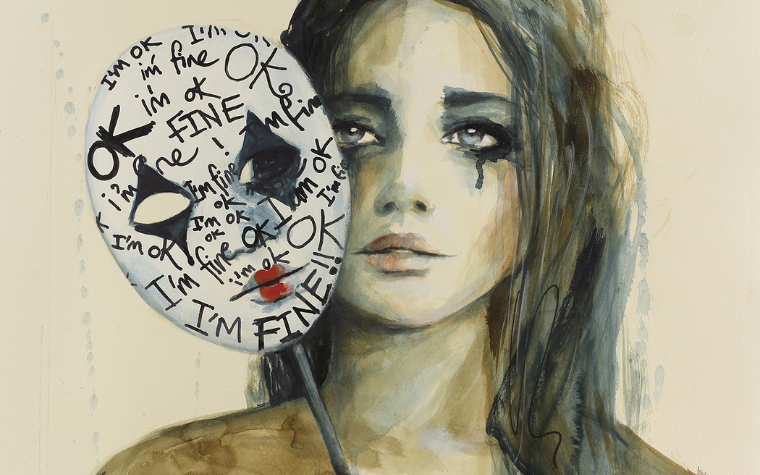
The artist’s life is often viewed through a lens of beauty, inspiration, and creative freedom. Yet behind the canvas, stage, or written page, many artists face significant mental health challenges that are rarely visible to the outside world. Anxiety, depression, burnout, and substance use can quietly develop beneath the pressure to create and perform. At RoshamboMT, we provide compassionate, individualized addiction recovery and mental health treatment designed to help individuals heal while preserving their creative identity and purpose.

The Hidden Emotional Weight of Creativity

Creativity often requires emotional openness, which can be both a strength and a vulnerability. Artists tend to feel deeply, observe intensely, and process the world through emotion. While this sensitivity fuels powerful expression, it can also make emotional regulation more difficult during times of stress.

When support systems are lacking, the demands of creative life can begin to feel overwhelming. This is where mental health challenges often develop silently, behind the scenes of outward success or productivity.

Common Mental Health Struggles Artists Experience

  1. Chronic stress linked to performance expectations and self criticism
  2. Emotional instability driven by irregular work schedules and pressure
  3. Isolation due to long periods of independent creative work
  4. Substance use as a coping mechanism for anxiety, fatigue, or creative blocks

These experiences are not signs of weakness. They are signals that the mind and body need care, balance, and support.

Why Mental Health and Creativity Are Closely Connected

Creativity and mental health are deeply intertwined. When mental health declines, creativity often becomes inconsistent or exhausting. When mental health is supported, creativity becomes more sustainable and fulfilling.

At RoshamboMT, we understand that recovery is not about suppressing creativity. It is about creating stability so that creativity can thrive without being fueled by distress or instability.

Individualized Treatment for Artists and Creative Professionals

Every artist has a unique story, and treatment must reflect that individuality. RoshamboMT provides personalized care plans that address both mental health concerns and addiction recovery needs in a supportive and structured environment.

Comprehensive Levels of Care

Our programs include:

  • Mental health treatment for conditions such as anxiety, depression, and trauma
  • Addiction recovery services that support both physical and emotional healing
  • Inpatient care for structured support during more intensive stages of recovery
  • Outpatient care for continued healing while maintaining daily responsibilities

This flexible approach allows individuals to receive the right level of care at the right time without stepping away from their identity or responsibilities.

Holistic Healing for the Creative Mind

Healing the hidden struggles of artists requires more than clinical treatment alone. Emotional expression, physical wellness, and spiritual grounding all play important roles in recovery and long term stability.

Whole Person Wellness Approaches

  • Mindfulness practices that improve emotional awareness and reduce stress
  • Art therapy that transforms emotional pain into creative expression
  • Physical wellness support including sleep, nutrition, and movement guidance
  • Faith based support for individuals seeking spiritual grounding and hope

These approaches help restore internal balance and create a stronger foundation for recovery and creativity.

Practical Ways Artists Can Support Mental Health

While professional care is essential for many individuals, daily habits also play a powerful role in maintaining emotional stability.

Strategies for Emotional and Creative Balance

  1. Build a consistent daily routine that includes rest and creative time
  2. Set realistic expectations to reduce pressure and perfectionism
  3. Take regular breaks to prevent burnout and emotional fatigue
  4. Stay connected to supportive people or communities
  5. Seek professional help early when stress begins to feel unmanageable

These steps help protect creativity while strengthening mental health over time.

When the Pressure Becomes Too Heavy

There are times when the hidden challenges of an artist’s life become difficult to manage alone. Difficulty concentrating, emotional exhaustion, loss of motivation, or reliance on substances may indicate that additional support is needed.

Recovery is not the end of creativity. For many individuals, it becomes the foundation that allows creativity to return with greater clarity, stability, and meaning.

Conclusion: Healing the Hidden Struggles Behind Creativity

Behind every creative work is a human being with emotional depth, challenges, and needs that deserve care. The hidden mental health struggles of an artist’s life do not have to remain unspoken or untreated. With the right support, healing and creativity can exist together in a healthy and sustainable way.

At RoshamboMT, we are committed to providing compassionate, individualized care through mental health treatment, addiction recovery services, inpatient and outpatient programs, and holistic healing approaches. Our mission is to help individuals restore balance while preserving what makes them uniquely creative.

If you or someone you love is struggling, reaching out is a powerful first step. Healing is possible, and support is available when you are ready.

Living the Artist Lifestyle: How Creativity and Mental Health Can Thrive Together

The artist lifestyle is often seen as vibrant, expressive, and deeply fulfilling. Creativity allows individuals to communicate emotion, tell stories, and bring ideas to life in powerful ways. However, behind the inspiration, many artists also face mental health challenges such as anxiety, depression, burnout, and substance use struggles. At RoshamboMT, we understand the complexity of this lifestyle and provide compassionate, individualized addiction recovery and mental health treatment designed to help creativity and wellbeing thrive together, not in conflict.

Understanding the Reality of the Artist Lifestyle

Artists often experience life with heightened sensitivity and emotional depth. While these traits fuel creativity, they can also make daily stressors feel more intense. Long hours, inconsistent income, isolation, and pressure to produce meaningful work can gradually take a toll on mental health.

Without proper support, these challenges can lead to emotional exhaustion or unhealthy coping mechanisms. Recognizing this reality is the first step toward creating a more balanced and sustainable creative life.

Common Mental Health Challenges Artists Face

  1. Emotional highs and lows connected to creative output
  2. Irregular schedules that disrupt sleep and daily structure
  3. Social isolation due to independent or remote work
  4. Substance use as a way to manage stress or enhance creativity

These challenges are common, but they are not permanent. With the right support, artists can build stability while continuing to create meaningful work.

How Creativity and Mental Health Support Each Other

Creativity and mental health are deeply connected. When mental health is supported, creativity becomes more consistent, focused, and fulfilling. When mental health is neglected, creativity can feel overwhelming or unsustainable.

At RoshamboMT, we believe that recovery should never take creativity away. Instead, it should create space for it to grow in a healthier and more stable way.

Individualized Care for Artists in Recovery

Every artist’s journey is different, which is why individualized care is essential. Our treatment programs are designed to meet each person where they are, whether they are struggling with mental health challenges, addiction, or both.

Comprehensive Treatment Services

RoshamboMT provides a full continuum of care, including:

  • Mental health treatment for conditions such as anxiety, depression, and trauma
  • Addiction recovery services that address both physical dependence and emotional healing
  • Inpatient care for structured, supportive environments during early recovery
  • Outpatient care for ongoing treatment while maintaining daily responsibilities

This flexible approach allows individuals to receive the level of support they need without disconnecting from their creative lives.

Holistic and Faith-Based Healing for Creative Individuals

Healing the artist lifestyle requires more than traditional treatment alone. Emotional expression, physical health, and spiritual grounding all play important roles in long-term recovery. That is why RoshamboMT integrates holistic and faith-based approaches into care when appropriate.

Whole-Person Wellness Approaches

  • Mindfulness practices that support emotional regulation and reduce stress
  • Art therapy that allows emotions to be processed through creative expression
  • Physical wellness support including sleep, nutrition, and movement guidance
  • Faith-based support for individuals seeking spiritual grounding and hope

These approaches help restore balance between mind, body, and spirit, creating a strong foundation for both recovery and creativity.

Practical Ways Artists Can Support Mental Health

Maintaining mental health while living a creative lifestyle requires intentional habits. Small, consistent actions can make a meaningful difference over time.

Daily Strategies for Balance and Stability

  1. Build a consistent routine that includes both creative work and rest
  2. Set realistic goals to reduce pressure and perfectionism
  3. Take regular breaks to prevent emotional and physical burnout
  4. Connect with supportive communities or peers
  5. Seek professional help early when stress or substance use becomes difficult to manage

These strategies are not about limiting creativity. They are about protecting it.

When the Artist Lifestyle Becomes Overwhelming

There may be times when creativity feels heavy instead of inspiring. Difficulty focusing, emotional exhaustion, loss of motivation, or reliance on substances can signal that additional support is needed.

Recovery is not the end of creativity. For many artists, it becomes the foundation that allows creativity to return with greater clarity and purpose.

Conclusion: Creativity and Wellness Can Grow Together

Living the artist lifestyle does not have to come at the expense of mental health. With the right structure, support, and care, creativity and wellbeing can thrive side by side. Healing creates space for inspiration to return in a more stable and sustainable way.

At RoshamboMT, we are committed to helping individuals navigate mental health and addiction challenges through compassionate, personalized care. With inpatient and outpatient programs, holistic therapies, and faith-based support, we help artists and creative individuals build healthier, more balanced lives.

If you or someone you love is struggling, reaching out is a powerful first step. A healthier and more sustainable creative future is possible, and support is here when you are ready.

Thriving Creatively: Strategies for Artists to Maintain Mental and Emotional Balance

Creative work can be deeply fulfilling, but it can also be emotionally demanding. Artists often move between inspiration and exhaustion, clarity and overwhelm, connection and isolation. Without intentional support, this emotional intensity can affect mental health and increase the risk of burnout or substance use. At RoshamboMT, we provide compassionate, individualized addiction recovery and mental health treatment designed to help artists maintain emotional balance while continuing to thrive creatively.

The Emotional Reality of Creative Work

Artists experience the world with heightened sensitivity. This allows for powerful expression, but it can also make everyday stressors feel more intense. Deadlines, self-criticism, financial uncertainty, and isolation can all contribute to emotional strain over time.

When mental health is not supported, creativity can begin to feel heavy instead of inspiring. Recognizing this shift early is essential for maintaining both wellbeing and artistic sustainability.

Common Challenges Artists Face

  1. Emotional highs and lows tied to creative output
  2. Irregular routines that disrupt sleep and physical health
  3. Isolation from working independently for long periods
  4. Substance use as a coping mechanism for stress or creative pressure

These challenges are common, but they are also treatable with the right support and structure.

Building Emotional Balance Through Healthy Structure

One of the most effective ways to support mental health in creative work is through structure. Predictability creates stability, which helps regulate mood and reduce stress. While creativity is often seen as spontaneous, it actually thrives within supportive routines.

At RoshamboMT, we help individuals build healthier daily patterns as part of a broader approach to recovery and mental wellness.

Individualized Mental Health and Addiction Recovery Care

Every artist has a different story, which is why individualized care is essential. Our programs are designed to meet people where they are, whether they are struggling with anxiety, depression, trauma, or substance use.

Comprehensive Treatment Options

RoshamboMT offers a full continuum of care, including:

  • Mental health treatment for emotional and psychological conditions
  • Addiction recovery services that address both physical and emotional dependence
  • Inpatient care for structured and immersive healing environments
  • Outpatient care for continued support while maintaining daily responsibilities

This flexible approach allows individuals to receive care that fits their lifestyle and creative responsibilities.

Holistic Healing for Creative Professionals

True emotional balance requires more than symptom management. It requires whole person care that supports the mind, body, and spirit. RoshamboMT integrates holistic and faith-based approaches to strengthen resilience and support long term recovery.

Whole Person Wellness Strategies

  • Mindfulness practices that improve emotional regulation and reduce stress
  • Art therapy that transforms emotional experiences into healthy expression
  • Physical wellness support including sleep, nutrition, and movement guidance
  • Faith based support for individuals who draw strength from spiritual connection

These approaches help restore internal balance, making it easier to sustain both creativity and mental health.

Practical Strategies for Thriving Creatively

Artists can take meaningful steps every day to support emotional stability while continuing their creative work. These strategies are simple but powerful when practiced consistently.

Daily Practices for Balance and Stability

  1. Create a consistent daily routine that includes rest and creative time
  2. Set realistic expectations to reduce pressure and perfectionism
  3. Take breaks regularly to prevent emotional and physical burnout
  4. Build supportive relationships with peers, mentors, or professionals
  5. Seek help early when stress or substance use begins to affect daily life

These habits help protect creativity rather than limit it.

When Creativity Feels Overwhelming

There are times when creative work becomes emotionally draining instead of inspiring. Difficulty focusing, loss of motivation, emotional fatigue, or reliance on substances may signal that additional support is needed.

Recovery is not a barrier to creativity. For many artists, it becomes the foundation that allows creativity to return in a healthier and more sustainable way.

Conclusion: Creativity and Emotional Balance Can Coexist

Thriving creatively requires more than talent. It requires emotional balance, structure, and support. When artists prioritize mental health and receive individualized care, they are better able to sustain both their wellbeing and their creative expression.

At RoshamboMT, we are committed to helping individuals navigate mental health challenges and addiction with compassion and personalized treatment. Through inpatient and outpatient programs, holistic healing, and faith based support, we help artists and creative professionals build stable and meaningful lives.

If you or someone you love is struggling, reaching out is a powerful first step. Healing is possible, and a balanced creative life is within reach.