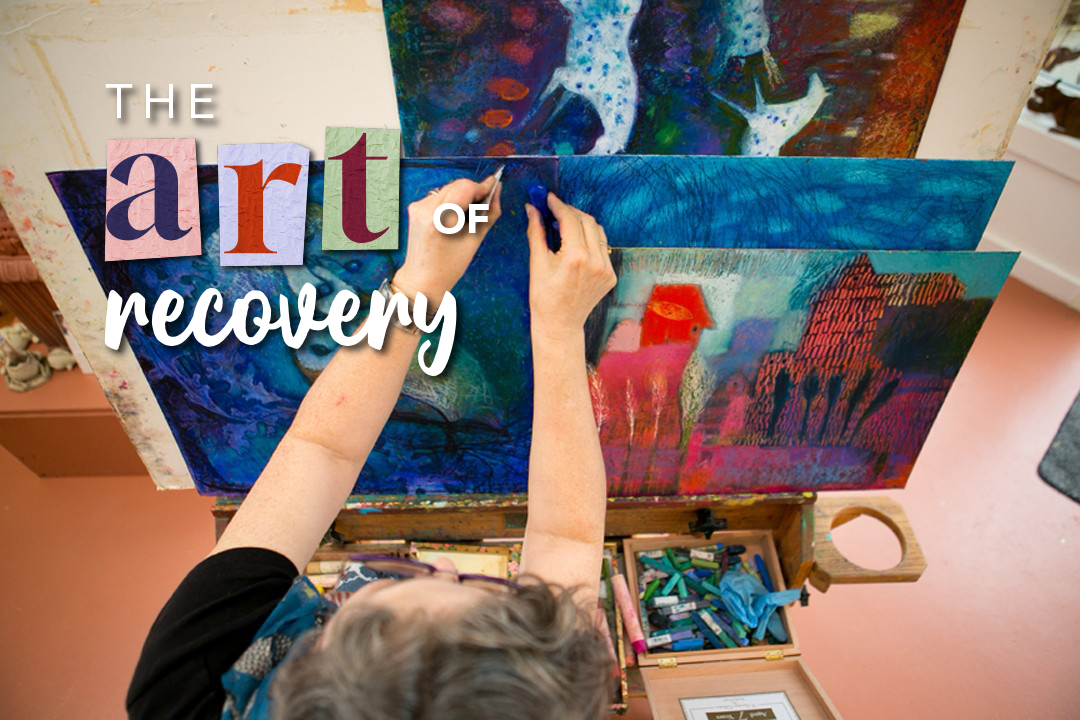
Living as an artist can be deeply rewarding, but it can also come with pressures that are easy to overlook. Creative professionals often work irregular hours, face financial uncertainty, deal with criticism and rejection, and place significant emotional energy into their work. For someone also struggling with addiction, anxiety, depression, or another mental health concern, those pressures can become even more difficult to manage. Learning how creativity, self-care, and recovery can work together gives artists an opportunity to protect their wellbeing without giving up the creative identity that matters so much to them.
Recovery does not require an artist to become less passionate, less emotional, or less creative. Instead, it can provide healthier ways to manage stress, process difficult experiences, and build a lifestyle that supports both personal wellness and creative expression. With appropriate addiction recovery and mental health treatment, artists can begin creating routines that support their mind, body, relationships, and long-term goals.
Understanding the Realities of Living as an Artist
The public often sees the finished product rather than the process behind it. A painting, album, performance, photograph, sculpture, or written work may represent weeks or months of effort that involved uncertainty, self-doubt, financial pressure, and emotional strain.
Artists may also have fewer boundaries between their professional and personal lives. A traditional workday may have clear beginning and ending points. Creative work, however, can continue late into the night or become difficult to separate from personal identity.
Common Pressures Artists May Experience
Living as an artist can involve:
- Unpredictable income and career opportunities
- Pressure to constantly produce new work
- Perfectionism and fear of failure
- Rejection or criticism
- Irregular sleep patterns
- Social isolation
- Difficulty maintaining consistent routines
- Emotional exhaustion
- Performance or deadline pressure
- Substance use as a way to cope with difficult emotions
None of these experiences automatically leads to addiction or mental health problems. However, when stress remains unresolved, unhealthy coping can become increasingly appealing.
When Creativity and Unhealthy Coping Become Connected
For some artists, alcohol or drugs may initially seem connected to creativity. A substance might appear to reduce self-consciousness, make social situations easier, or temporarily quiet anxiety and emotional pain.
The relief, however, can come with significant consequences.
Repeated substance use can affect concentration, sleep, motivation, relationships, finances, physical health, and creative consistency. Over time, an artist may find that the behavior originally used to support creativity is actually interfering with it.
Recognizing the Warning Signs
It may be time to seek professional support if substance use:
- Becomes difficult to control
- Takes priority over creative work or relationships
- Continues despite negative consequences
- Is used regularly to manage stress or emotional pain
- Causes missed deadlines or professional responsibilities
- Leads to withdrawal from family or friends
- Creates financial or legal problems
- Leaves you feeling unable to function without it
Recognizing these signs is not an admission of failure. It is an opportunity to address a problem before it takes more control over daily life.
Self-Care Is Part of the Creative Process
Self-care is sometimes dismissed as an extra responsibility, especially by people who are focused on their careers. For artists, however, caring for personal wellbeing can directly support creativity.
The brain and body need adequate sleep, nutrition, movement, rest, and emotional support. Without those foundations, concentration and motivation can suffer.
Start With the Basics
A healthier lifestyle does not have to begin with an elaborate wellness plan.
Start with practical changes:
Prioritize sleep. Aim for a consistent sleep schedule whenever possible. Adequate rest supports mood, concentration, and emotional regulation.
Eat regularly. Skipping meals during long creative sessions can leave you physically and mentally depleted.
Move your body. Walking, stretching, exercise, or another form of movement can help reduce tension and create a useful break from creative work.
Take real breaks. Stepping away from a project can prevent mental exhaustion and provide fresh perspective.
Stay connected. Regular contact with supportive people can reduce isolation and provide perspective when creative work becomes overwhelming.
Small habits become more powerful when they are repeated consistently.
Creating Structure Without Losing Creativity
Artists sometimes worry that structure will interfere with inspiration. In reality, structure can create the stability needed for creativity to thrive.
A consistent daily rhythm can make it easier to protect time for creative work while also making room for sleep, meals, relationships, treatment, and recovery.
Build a Flexible Daily Routine
A useful routine might include:
- A consistent wake-up and bedtime
- Morning reflection or quiet time
- Dedicated creative hours
- Regular meals
- Physical activity
- Time with supportive people
- Therapy or recovery activities
- Evening relaxation
- A brief review of the day
The goal is not to schedule every minute. A healthy routine should provide direction without becoming another source of pressure.
Recovery Requires More Than Avoiding Substances
Addiction recovery is not simply about stopping alcohol or drug use. Long-term recovery often involves understanding why unhealthy coping developed and learning new ways to respond to stress, trauma, anxiety, depression, loneliness, or other underlying concerns.
For artists, this process may also involve examining how addiction became connected to their creative identity.
Separate Creativity From Substance Use
An important recovery goal can be learning that creativity does not depend on intoxication.
This may take time, particularly if substances have been part of an artist’s routine for years. Early sobriety may feel unfamiliar, and creative energy may fluctuate while the brain and body adjust.
That does not mean creativity is gone.
Instead, artists can experiment with healthier creative routines. Journaling, sketching, playing music, photography, painting, movement, or writing can provide ways to process emotions without relying on substances.
Professional treatment can also help individuals develop coping strategies that make difficult emotions more manageable.
Addressing Mental Health Alongside Addiction
Addiction and mental health concerns can sometimes occur together. Anxiety, depression, trauma, and other concerns may contribute to substance use, while prolonged substance use can also worsen emotional and psychological symptoms.
Treating only one side of the problem may leave important needs unaddressed.
Why Individualized Treatment Matters
Every artist has a different history and different recovery goals. Treatment should take those differences into account.
Individualized care can address factors such as:
- Substance use patterns
- Mental health symptoms
- Personal history
- Family relationships
- Professional responsibilities
- Recovery goals
- Physical health
- Spiritual beliefs
- Existing support systems
A personalized approach allows treatment professionals to focus on the person rather than reducing them to a diagnosis or behavior.
Exploring Inpatient and Outpatient Recovery
Different stages of recovery may require different levels of support.
Inpatient Care
Inpatient treatment provides a structured setting where individuals can step away from environments that may reinforce unhealthy behaviors. It can offer time to focus on stabilization, therapy, recovery skills, healthy routines, and emotional growth.
For an artist whose substance use or mental health concerns have become overwhelming, a structured environment can provide space to establish a stronger foundation before returning to everyday responsibilities.
Outpatient Care
Outpatient treatment allows individuals to receive professional support while continuing to live at home and manage appropriate responsibilities.
For artists, outpatient care may allow room to gradually rebuild creative routines while receiving therapy, counseling, and recovery support.
The right level of treatment depends on each individual’s circumstances, clinical needs, safety considerations, and recovery goals.
Taking a Holistic Approach to Artist Recovery
Recovery affects the whole person. A holistic approach recognizes that physical health, mental health, relationships, values, creativity, and spirituality can all influence wellbeing.
For artists, this broader perspective can be especially useful because creative identity is often closely connected to personal meaning and purpose.
Caring for the Mind
Therapy and mental health treatment can help artists understand emotional triggers, manage anxiety or depression, process difficult experiences, and develop healthier responses to stress.
Caring for the Body
Nutrition, movement, sleep, hydration, and medical care can provide essential foundations for recovery.
Artists who spend long periods focused on creative work may unintentionally neglect these areas. Rebuilding physical wellness can help restore energy and stability.
Caring for the Spirit
For people who value faith, spiritual practices can be an important part of healing.
Prayer, Scripture, reflection, fellowship, and other faith-based practices can help individuals explore meaning, hope, forgiveness, purpose, and personal values.
Faith-based support can work alongside professional addiction and mental health treatment, creating a more complete approach to recovery for those who find spirituality meaningful.
Building a Support System That Understands Recovery
Artists may be accustomed to working independently, but recovery should not be an isolated process.
Supportive relationships can provide encouragement, accountability, perspective, and practical assistance during difficult periods.
Choose Support That Strengthens Your Goals
A healthy support system might include:
- Family members
- Trusted friends
- Therapists and counselors
- Addiction treatment professionals
- Peer recovery communities
- Faith communities
- Healthy creative communities
It is also important to recognize relationships that consistently encourage substance use or other destructive behaviors. Establishing boundaries can be an essential part of protecting recovery.
Let Creativity Become Part of a Healthier Life
Creative expression can become a meaningful part of recovery when it is approached as a healthy outlet rather than a justification for destructive behavior.
Artists can use their work to explore emotions, document progress, reconnect with personal values, and discover new sources of inspiration.
However, creative activities should complement professional treatment when addiction or significant mental health concerns are present.
Recovery provides the foundation. Creativity can become one of the ways a person builds a meaningful life on that foundation.
Creating a Sustainable Future as an Artist
Living as an artist does not have to mean choosing between creative freedom and personal stability.
It is possible to build a lifestyle that makes room for both.
That may involve learning to work within healthier boundaries, accepting periods of rest, asking for support, developing consistent routines, and recognizing when professional treatment is necessary.
Most importantly, recovery gives artists an opportunity to redefine success. Success is not only about producing more work or achieving professional recognition. It can also mean waking up with greater clarity, maintaining meaningful relationships, managing stress without substances, caring for your health, and having the freedom to pursue creativity without being controlled by addiction.
Take the Next Step Toward Healthier Living
Creativity can be an important part of who you are, but it should not have to come at the expense of your mental health or physical wellbeing. If alcohol, drugs, anxiety, depression, trauma, or chronic stress are interfering with your life, professional support can help you identify healthier ways forward.
Roshambo’s approach to addiction recovery and mental health treatment emphasizes individualized care and can include inpatient and outpatient services, holistic support, and faith-based approaches. This kind of personalized care can help individuals address the factors behind unhealthy coping while developing practical tools for lasting recovery.
You do not have to give up your identity as an artist to pursue recovery. You can learn to care for yourself, strengthen your relationships, manage difficult emotions, and create a healthier foundation for your creative life.
If you are struggling, reaching out for help is a meaningful first step. Recovery can give you more than freedom from addiction. It can give you the stability, clarity, and support needed to live creatively while also living well.